Train crash reshapes Pedro Sánchez's housing-focused campaign
The October 28 collision killed 69 people, forcing the Spanish prime minister to balance national mourning with his push for housing reform ahead of November elections.
By Eric Collins ·
A high-speed train collision in southern Spain has upended the political strategy of Prime Minister Pedro Sánchez just weeks before a general election.
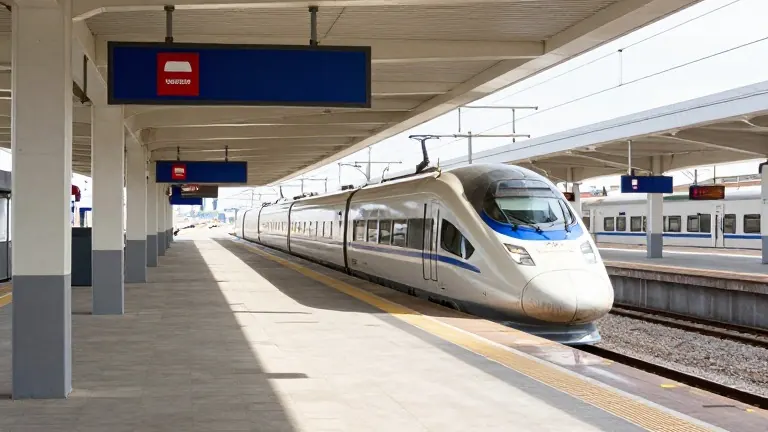
The accident occurred on October 28, when a moving train struck a stationary one south of Madrid. The crash killed 69 people and marked the second deadly rail collision in Spain this year. Sánchez, a 54-year-old progressive, had called for snap elections in October to capitalize on voter anger over unaffordable housing. Now he must manage the grief from the crash while maintaining his focus on housing policy.
Sánchez has framed the disaster as proof that public services require strong government management. He posted on X that the tragedy shows why public services matter and what is at stake in the upcoming vote. His administration accepted responsibility for errors by accepting the resignation of Transport Minister Óscar Puente six days after the crash. Puente stepped down after a parliamentary inquiry into his oversight of Spain's high-speed rail network, the second largest in the world after China's. Sánchez called the minister's departure an act of dignity and a sign of transparency.
The prime minister has also cited recent political wins by leftists in Brazil and the United States to boost morale. He told La Vanguardia that mobilization will lead to victory in Spain as it did in other nations. President Luiz Inácio Lula da Silva of Brazil is scheduled to visit Spain on Monday to support the Socialist Party's campaign. However, political analyst Alejandro Quiroga of Madrid’s Complutense University notes that the two and a half week campaign will likely remain focused on domestic issues like immigration and corruption.
On Wednesday, more than 100,000 people joined a nationwide general strike to protest soaring rents. This was the first strike in Spain in 14 years driven primarily by housing frustrations. Although the Socialist Party did not organize the strike, the government praised it. The demonstration occurred after right-wing parties rejected Sánchez's emergency housing decrees, a rejection that triggered the call for early elections on November 29. On Thursday, Sánchez's government passed one of these decrees through the interim parliament.
Housing Minister Isabel Rodríguez told lawmakers that the right to housing won on the streets and in workplaces, expressing hope it would also win at the ballot box. Right-wing opponents, including the Popular Party and Vox, are expected to use the two rail crashes to challenge Sánchez's record. Former conservative politician Montserrat Nebrera described a sense of public shock that points to management failures over the last eight years. Polls show the Socialist Party trailing the combined support of the conservative Popular Party and the far-right Vox party.
More World · Orlando news · Report a business · Got a Story?