Trump administration calls Iran dirty bomb plan aspirational
Security officials downplay reports of a radiological threat to Washington while medical experts outline emergency protocols for the capital.
By Eric Collins ·
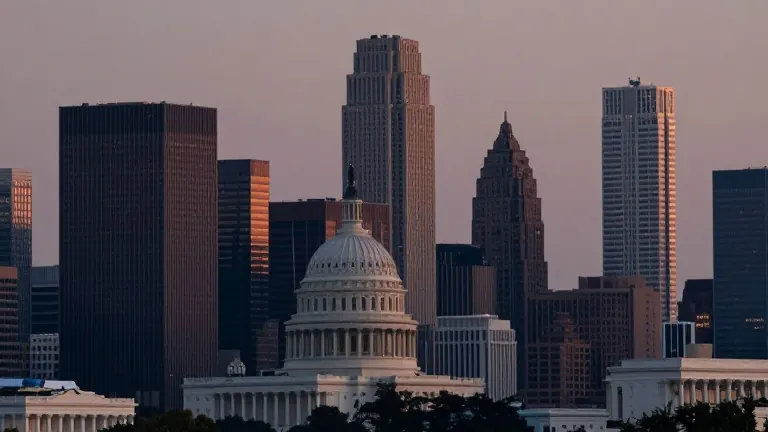
The Trump administration stated on Tuesday that it does not consider the reported Iranian plan to use a dirty bomb against Washington officials a credible threat. Security Secretary Alex Azar described the Iranian plans as aspirational during a briefing on the matter.
President Donald Trump addressed the reports while traveling in Asia. He said his government was taking the information seriously. “They will pay a price like no country has ever paid before,” Trump said.
CNN was the first outlet to report on the alleged threat. The reports suggest Iran may be planning to deploy a radiological device against government figures in the capital. A dirty bomb is smaller and less powerful than a nuclear weapon. It contains radioactive material that can scatter over miles and cause health issues.
John Erath, senior policy director at the Center for Arms Control and Non-Proliferation, said the likelihood of such an event is low. He noted that a dirty bomb would affect many people, not just the intended target. This makes it a risky option for Iran. “It would trigger responses from the United States, it would trigger attacks from the United States against Iranian targets, and all of that with a not very high probability of achieving what they want to hit,” Erath said.
The Centers for Disease Control and Prevention has issued general guidelines for a potential explosion. Residents should cover their nose and mouth with a cloth and avoid touching debris. People should enter a closed space as soon as possible and close all windows and doors. They should remove contaminated clothing and place it in a sealed bag. Individuals and pets should shower, and people should avoid consuming food or drinks exposed to radioactive rain.
Dr. Shane Kappler, an emergency and critical care physician at MedStar Washington Hospital Center, said local hospitals are prepared for a crisis. He confirmed that staff have practiced decontamination procedures in outdoor tents. Kappler advised that parents do not necessarily need to pick up children from school. “The best thing is to not be out in the street, if you’re not nearby, right? Because there’s more risk in being out there than in staying sheltered, even in the schools,” he said.
Amelia Draper of Storm Team4 noted that prevailing winds in Washington typically blow from west to east. People east of an explosion site would generally face higher exposure to radioactive particles. Emergency managers recommend keeping water, blankets, and non-perishable food in cars and homes to prepare for any extended emergency.