Air Medics Face Surge in Maine Demand
LifeFlight of Maine reports a 10% rise in flights as rural hospitals close and staffing gaps widen.
By Eric Collins ·
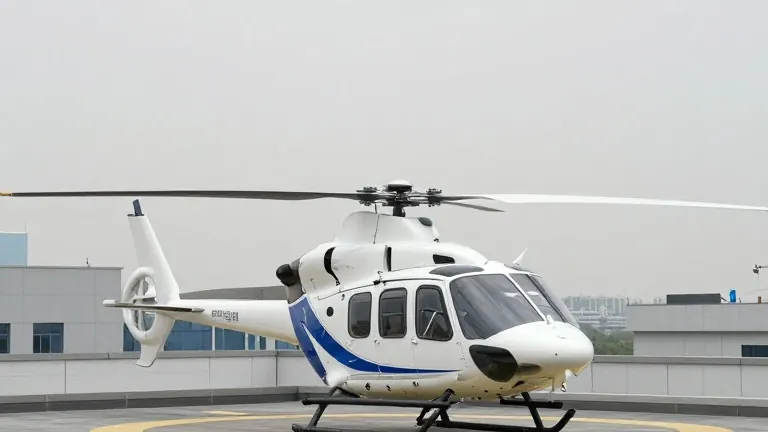
Demand for air medical transport in Maine is climbing at a rate that is straining the workforce. LifeFlight of Maine crews completed 3,031 flights in 2025, a volume that exceeded one mission every three hours. The company projects a 10% increase in demand for 2026. Since 2015, the need for medical flights in the state has doubled.
The rise in aerial transfers coincides with a shrinking network of rural ground care. As rural hospitals close or convert to outpatient facilities, air services are filling the gap. The Congressional Budget Office estimates Medicaid cuts of $911 billion over the next decade. These financial shifts threaten hundreds of additional rural hospitals and maternity departments. When these facilities close, patients must travel farther for care, and ground ambulances often cannot meet the demand.
Nicholas George, who operates the ETHOS Database, tracks these national trends. He states that the need for air medical services is increasing year over year. In Maine, the system is fragmented. Last year, a patient in a small northern town died after the county dispatch center contacted 10 ambulance services without receiving a response.
LifeFlight of Maine is one of few independent nonprofit air medical companies in the country. Most competitors are for-profit entities. Joe Kellner, the company’s CEO since 2023, has implemented changes to address retention issues. For years, the organization retained only 60% to 70% of its staff. This year, the company is nearly fully staffed for the first time in nine years.
Kellner introduced the Critical Care Academy, a six to eight month orientation program. The company also raised paramedic pay to match flight nurses, a move that is rare in the industry. Additionally, LifeFlight hired a full-time mental health counselor. Brian Merklin, a paramedic who joined after leaving the profession for a few years, credits the support system. He notes that the cost of training a new employee is approximately $100,000.
Flight nurse Denise Saucier has worked for the service for seven years. She describes the job as a dream but acknowledges the difficulties. Most transports are interfacility moves, stabilizing patients at small local hospitals before flying them to larger centers. Saucier says the long distances between houses and roads in Maine make EMS essential.
Merklin and Saucier currently work in a compact helicopter based in Bangor. They undergo rigorous training, including simulations with mannequins and annual skills assessments. The team prepares for scenarios ranging from heart attacks to emergency births. As ground services become more strained, these clinicians serve as the primary link between remote patients and trauma centers.