Alaska Democrats Elect First Governor in 24 Years
Jonathan Kreiss-Tomkins becomes the state's youngest chief executive, replacing Republican Mike Dunleavy after a ranked-choice vote count.
By Daniela Ortega ·
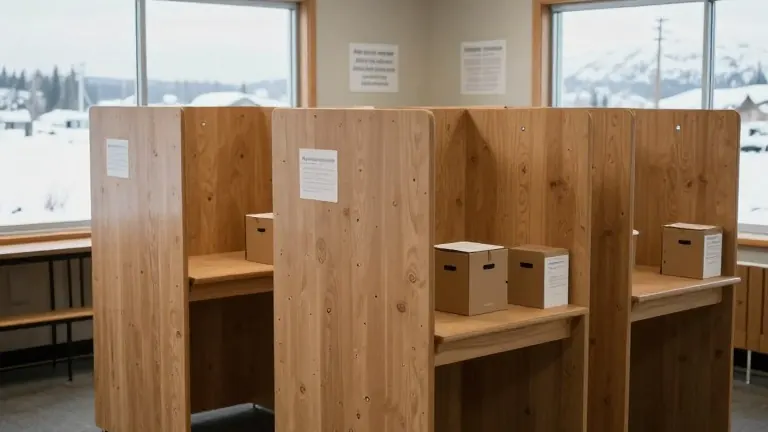
Alaska voters selected Democrat Jonathan Kreiss-Tomkins as their next governor on Saturday, ending a 24-year stretch of Republican control in the state's executive office. The Associated Press called the race after counting ballots that included mail-in votes and those cast in remote areas of the state.
Kreiss-Tomkins, 37, will be the youngest person to hold the position in Alaskan history. He replaces outgoing Governor Mike Dunleavy, a Republican who has served since 2018 and is term-limited. The last Democrat to leave office as governor was Tony Knowles in 2002.
The candidate, known by his initials JKT, campaigned on a bipartisan platform. He described himself as a "man of the middle" and pledged to build an administration that includes Democrats, Republicans, and independents. His ticket drew endorsements from three former governors of different parties and Republican Senator Lisa Murkowski.
Kreiss-Tomkins defeated three Republican opponents: business owner Bernadette Wilson, former Anchorage Mayor Dave Bronson, and former Attorney General Treg Taylor. Wilson had the endorsement of President Trump. Under Alaska's ranked-choice voting system, a candidate must secure a majority of the vote to win without a runoff.
Voters also decided to keep the ranked-choice system in place. A proposal on the ballot to replace it failed according to an AP call. The retention of this voting method will affect how future statewide races are decided.
With this victory, Democrats will control 30 governorships nationwide, up from 24. Kreiss-Tomkins said in an interview at an Anchorage precinct on Election Day that he believes residents want practical solutions rather than partisan conflict. He stated, "I strongly believe people just want things to work, and want people to work together."
The new governor will take office at noon on December 7. He assumes leadership during a period of financial strain, as rising costs have led to school closures and larger class sizes. The state also faces a potential shortage of easily accessible natural gas, which could increase prices for food, fuel, and housing. Alaskans have been leaving the state for more than a decade.
More Politics · Orlando news · Report a business · Got a Story?