Young Male Democrats Drive Social Media Surge in Central Florida
Viral content celebrating the physical appearance of newly elected officials reflects a strategic shift in how the party targets male voters.
By Peter Graham ·
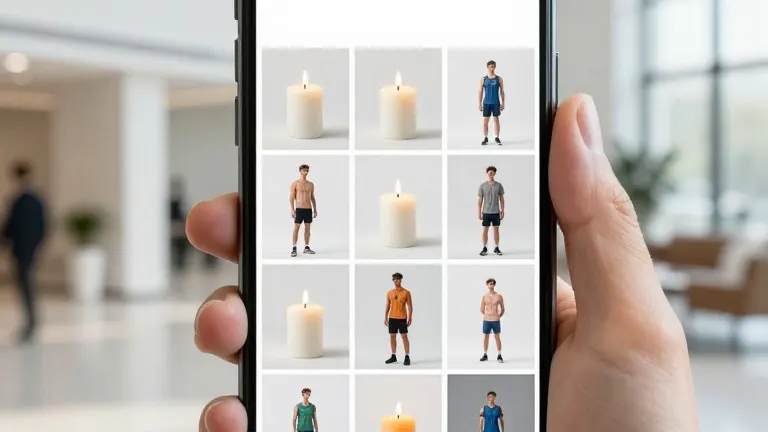
Social media platforms across the United States are flooded with videos and images celebrating the physical appearance of young male Democratic candidates who won seats in the 2026 midterm elections. The trend features montages set to pop music, AI-generated images, and parody magazine covers that position politicians like Texas Senator-elect James Talarico and Colorado Representative-elect Manny Rutinel as modern heartthrobs. This digital reaction marks a distinct departure from previous election cycles where female candidates received the most visual attention.
The surge in attention is driven by a desire to reshape the public perception of the Democratic Party among straight men. Monica Venske, a Democratic strategist, created the Instagram account Boyfriends We Deserve to showcase attractive male Democrats. She stated that after Kamala Harris lost the presidency in 2024, many men felt the party was not manly or cool. Venske noted that highlighting men like Montana Congressman-elect Sam Forstag, a former smokejumper who fixes trucks, helps signal that the party welcomes diverse types of masculinity.
Political scientists identify age and cultural definitions of manhood as the primary forces behind this trend. Christina Wolbrecht, a professor at Notre Dame University, explained that the current attention is a response to the specific type of masculinity championed by Donald Trump for over a decade. Trump’s style emphasized power through wealth and status, whereas the new Democratic candidates are presenting a different model. Polling data from the NPR/PBS News/Marist Poll showed that a majority of likely voters preferred candidates with new ideas over those with extensive experience in their roles.
Candidates actively leaned into this narrative before the election. Abdul El Sayed, the Michigan Senator-elect, posted weightlifting videos and a parody of the reality show Love Island. Manny Rutinel posted similar fitness content. Media outlets amplified these images by publishing profiles and think pieces that described these candidates as rugged and authentic. This media coverage ran throughout the midterm cycle, reinforcing the visual narrative that was already gaining traction on social media platforms.
While the focus on male candidates is prominent, Democratic women also secured historic victories. Keisha Lance Bottoms will become the first Black woman governor in Georgia. Deb Haaland will serve as the first Native American woman governor in New Mexico. Peggy Flanagan will be the first Native American woman senator in Minnesota. These achievements stand in contrast to the 2018 midterm election, which saw a record-setting wave of Democratic women elected following the Women's March and the #MeToo movement.
The shift in visual marketing has had measurable results for the party among male voters. In 2024, Kamala Harris won 43 percent of the male vote. In the 2026 midterms, Democrats won 50 percent of men's votes. Venske argued that this strategy is part of making the party feel like a big tent that includes young men. She emphasized that while she is careful with how she describes female candidates' appearances to avoid potential criticism, calling male candidates attractive rarely carries the same risk.
Content creators are further driving the trend with personalized engagement tools. Manoushka Guerrier, a chef and content-creator based in Los Angeles, created a Tiger Beat-style personality quiz. The quiz matches voters with specific candidates based on archetypes such as the Babyface or the Heartthrob. Guerrier stated that she views the candidates' looks as a bonus to their intelligence and boldness, describing them as brilliant and refreshing after years of political darkness.
More Politics · Orlando news · Report a business · Got a Story?