High Court clears path for new wall segments in Texas Big Bend
The Supreme Court reversed a lower court order that had paused construction, allowing federal crews to resume work on steel barriers and roads in the region.
By Eric Collins ·
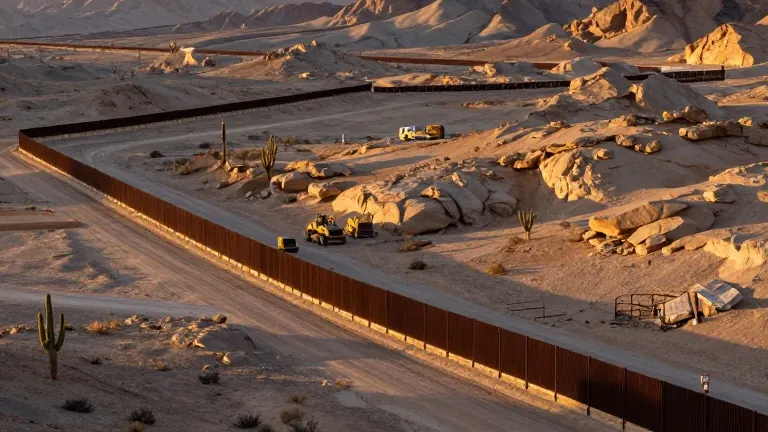
The Supreme Court ruled on Monday that federal crews can resume building border barriers in the Big Bend region of Texas. The decision reverses a lower court order that had forced a temporary halt to the project. Construction can now continue across the area, which includes parts of Big Bend National Park and adjacent state and private lands.
The dispute centered on whether Congress gave the government enough authority to skip standard environmental reviews. A federal judge in Texas had previously blocked the work, arguing that the law did not clearly support such broad waivers in a zone with the lowest migrant apprehension rates along the southern border. The judge had ordered all construction activity to stop immediately.
The Trump administration appealed the ruling in an emergency motion. Federal lawyers argued that gaps in the physical barrier could funnel traffic and illegal crossings toward this specific stretch. They pointed to ongoing drug seizures and border crossings in the area as evidence that the physical structure was necessary. The Supreme Court agreed with the government's position, finding that the law restricts the ability of judges to intervene when the executive branch determines that rapid construction is needed.
The project involves installing 30-foot-tall steel walls in certain sections, along with new vehicle barriers and access roads. Since Congress allocated $46 billion for the initiative last summer, Customs and Border Protection has been advancing construction at a rapid pace. The agency has been erecting approximately 12 miles of barriers per week along the entire border.
Opponents from both political parties had challenged the speed and scope of the build. They argued that the infrastructure would strain the local economy and alter the landscape of a region historically known for low levels of illegal immigration. Critics suggested that technology, such as drones, would be a more efficient use of funds than a physical wall in this specific location.
Justice Ketanji Brown Jackson wrote a dissenting opinion, disagreeing with the majority on how strictly the law limits judicial review in these cases. The majority decision allows the administration to maintain its current construction timeline. The ruling clears the legal obstacle that had paused work in this specific corridor of the border.
More Politics · National news · Report a business · Got a Story?