Iran fires third drone strike at U.S. radar site in Bahrain
The attack ended a two-month pause in fighting, though the U.S. military reported no damage to equipment or injuries to personnel.
By Daniela Ortega ·
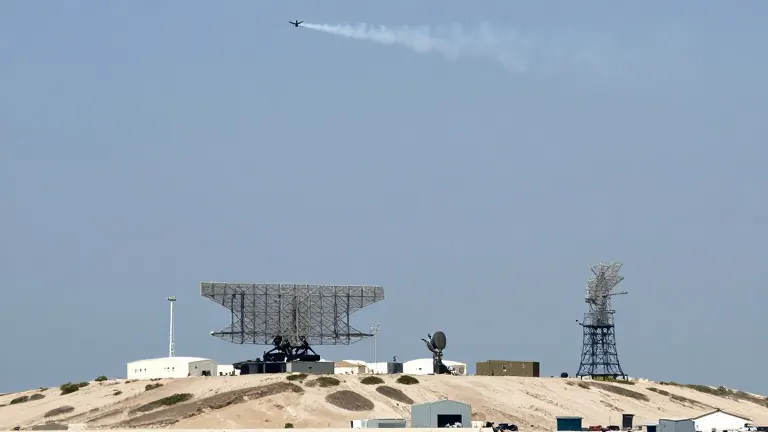
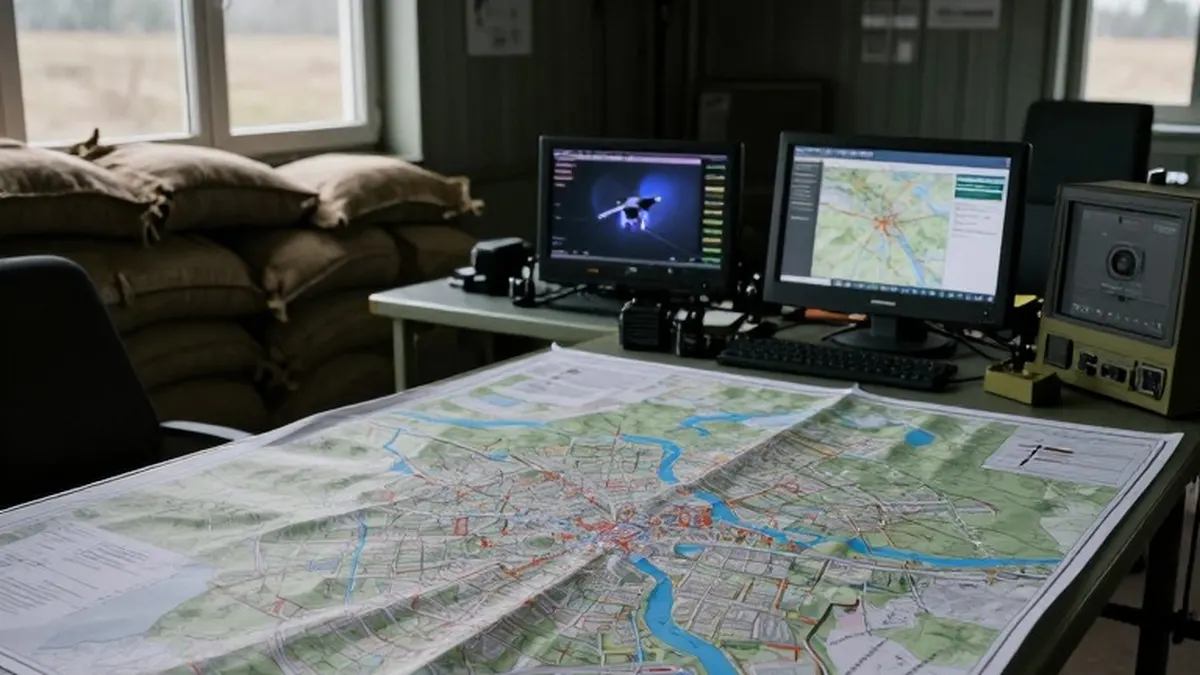
Iran launched drones at a U.S. radar facility in Bahrain on Tuesday, marking the third strike on American targets in the island kingdom in recent days. This barrage ended a roughly two-month lull in hostilities. Bahrain stated that its air defense systems successfully intercepted the incoming aerial attacks.
The conflict began on Feb. 28 when the U.S. and Israel launched attacks on Iran. For the following eight months, fighting subsided into a pattern of retaliation. The current escalation follows a period where Iran waited for attacks before responding. The U.S. military reported no damage to its equipment and no injuries to American personnel from the Tuesday strikes.
The fighting has intensified alongside a U.S. naval blockade in the Strait of Hormuz. This waterway is a critical route for global energy supplies. The blockade has curbed the flow of Iranian crude oil to the global market, straining Tehran's economy. Meanwhile, oil tankers moving under U.S. military protection have helped return Gulf oil shipments to prewar levels.
Regional leaders have condemned the latest attacks. Egypt, Qatar, Saudi Arabia, and the United Arab Emirates called the strikes a violation of Bahrain's sovereignty. Qatar's Foreign Ministry spokesman, Majed Al Ansari, warned in Doha that continued fighting poses an extremely grave danger to diplomatic efforts. He noted that mediation to end the war has stagnated despite intensified regional efforts.
Iran's Revolutionary Guard Corps said the strikes were a response to U.S. aggression against Iranian airspace and the use of regional bases. Analysts suggest the attacks signal a shift in Iranian strategy. Mostafa Najafi, a Tehran-based security analyst, told The Associated Press that Tehran is targeting the operational capability of bases. Hamidreza Azizi of the International Crisis Group wrote that the risk of renewed war now depends on whether Tehran finds continued restraint more costly than escalation.
The U.S. has expanded its naval presence in the region. The arrival of the USS Theodore Roosevelt carrier strike group brings the total to three aircraft carriers: the USS George H.W. Bush, the USS George Washington, and the Roosevelt. This force exceeds the number of ships deployed when the war began. U.S. Central Command did not comment on whether it plans to keep all three strike groups in the area.
Shipping disruptions continue in key waterways. The United Kingdom Maritime Trade Operations reported on Tuesday that a tanker was attacked twice north of Oman, causing a fire on board. A separate cargo vessel off Yemen repelled armed men attempting to board. In Yemen, Houthi rebels have solidified control of the Bab el-Mandeb Strait after government-aligned forces retreated over the weekend.
More World · Orlando news · Report a business · Got a Story?