Iranian Universities Expel Dozens as Campus Crackdown Intensifies
Disciplinary panels including clerics and militia members are forcing students to recant political views, with expulsions rising at major institutions like Tehran University.
By Eric Collins ·
Iranian universities have resumed aggressive disciplinary actions against students who participated in recent anti-government protests. The process, which began in late December and continued through the war with the United States, now places academic careers and personal safety at risk for hundreds of undergraduates and graduate students.
Reformist newspaper Shargh reported a growing tally of expulsions at six universities in the capital last month. At least 10 students were expelled from the University of Tehran, and another 10 faced the same penalty at Amir Kabir University. Additional students received suspensions. Farzad Rahmani, president of the student union at Sharif University, told Ensaf that administrators have reviewed cases for approximately 250 students at that institution. He stated that at least 40 students have faced hearings and 10 have been expelled so far.
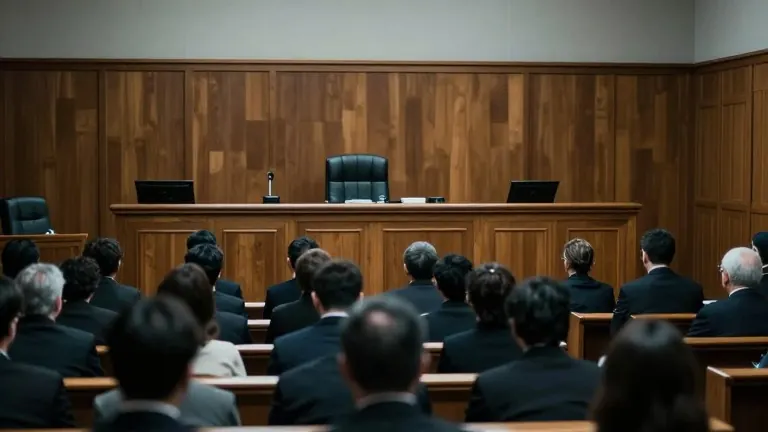
The disciplinary panels include university administrators, faculty members, a representative of the supreme leader, and officials from Harasat, the campus security agency under the Intelligence Ministry. Members of the Basij volunteer militia frequently participate in these hearings. Ali Taghipour, an exiled Iranian activist who tracks student protests, noted that the severity of actions has increased compared to past crackdowns. He explained that the process often takes several months and involves multiple levels of hearings before the ministry overseeing universities approves punishments.
Ahmad Alamolhoda, the Friday prayer leader in Mashhad and the supreme leader’s representative in the province, warned that campus dissent threatens Iran’s rulers. He urged universities to track down offending elements and prepare to deal with them. Gholamhossein Mohseni Ejei, Iran’s judiciary chief, stated in February that judicial authorities would prosecute campus crimes if educational leaders failed to control them. Authorities have been arresting and prosecuting protesters tied to the January demonstrations, with some facing the death penalty.
Students describe the hearings as a psychological battle designed to force recantation. A social sciences student told the Associated Press that administrators required him to write his defense before being told the specific charges. His case included participation in an illegal gathering, and his contact details were published on pro-government social media channels. He now fears attacks by government supporters. A humanities student in Tehran said the main emphasis is on making students admit fault. He shared screenshots of messages calling him a traitor and threatening his family after his identity was made public.
The University of Tehran president told ISNA on Oct. 19 that the school will refer female students who violate headscarf rules to disciplinary hearings. This move aligns with calls from hard-liners for a renewed clampdown on campus associations. An undergraduate in Tehran noted that campus security is stopping female classmates more frequently over their dress, increasing pressure on students. A student union at one Tehran university stated last week that administrators and Basij members threatened students who staged a gathering. The union’s Telegram channel called the threats a sign of fear regarding the resurgence of student protests.
The war with the United States has compounded the pressure on students. One Sharif University student was arrested from his home in April on the day of his scheduled hearing. Students told the AP that the conflict has made it easier for authorities to securitize campus life. They fear that any full-scale return to fighting will lead to even harsher measures against those who dissent.