Kenyan farmers build sandbag barriers against heavy rains in Limuru and Nyeri
Local growers in Kiambu and Nyeri counties are using trenches and vegetation to protect crops as the Kenya Meteorological Department predicts above-average rainfall.
By Daniela Ortega ·
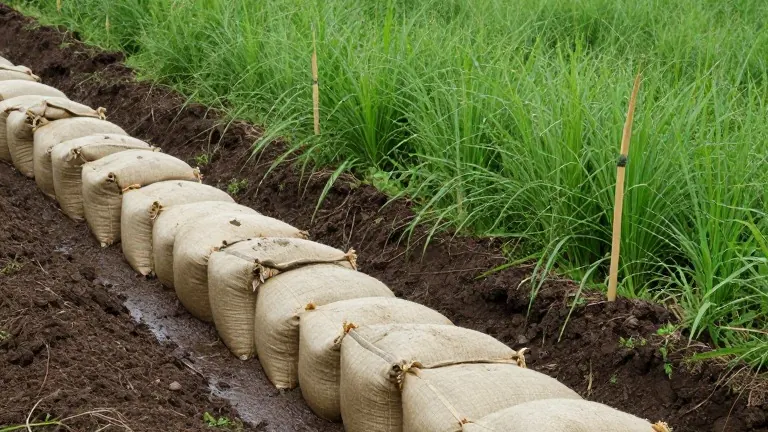
Elizabeth Itotia is filling sacks with sand and burying them in trenches across her farm in Limuru, Kiambu County, to stop soil from washing away. The 5-acre plot sits on a slope that made it vulnerable during the 2024 rains. Those storms destroyed crops including kale, spinach, cabbage, potatoes, and native vegetables. Itotia estimates those losses at 200,000 Kenyan shillings, which is approximately $1,500. More than 230 people died in the floods that year. Her family had to buy topsoil from other farms to restore the land, a process that added labor and cost.
The Kenya Meteorological Department forecasts El Niño conditions for the short-rains season, which runs from mid-October to December. This weather pattern is linked to warmer sea surface temperatures in the central and eastern tropical Pacific. For East Africa, it typically means heavier than usual rain. This season overlaps with the corn harvest. Corn is the country's staple crop. It is planted during the long rains and harvested as the short rains start. Heavy rain at this time can force farmers to harvest early or leave corn undried. That increases the risk of aflatoxin contamination.
Itotia learned the sandbag technique from social media. She also planted Napier grass and bamboo in erosion-prone areas. The roots help hold the earth together. The Napier grass provides fodder for her livestock. Her neighbor, Esther Njoki, uses a similar method. Njoki fills sacks with soil to slow runoff. She said the local soil is light and sweeps away easily. “We have never applied this technique before, even though the soil in this area is very light and easily swept away,” Njoki said. She noted that losing topsoil leaves the land muddy, which makes cultivation and movement difficult.
Samuel Munyiri, an agronomist at Osho Chemical Industries, said the sandbags are effective at reducing soil loss. This is true especially where small channels have formed. He advises farmers to use terracing, construct gabions, and plant crops across slopes rather than along them. He also recommends cover crops to protect the soil. Munyiri urges farmers to choose crops that tolerate high rainfall, such as corn, wheat, and barley. “Crops such as beans, potatoes and cabbages may be damaged by prolonged heavy rains and should be planted when the intensity of the rains is expected to subside,” Munyiri said. He added that cereals generally fare better than pulses during prolonged rains.
Moses Muhoro, a coffee farmer in Karatina, Nyeri County, is preparing for the rains after years of losses. In 2024, floods washed away the fertile topsoil on his farm. This left behind less productive subsoil. The damage reduced his coffee production the following year. Coffee is an export crop, so lower harvests affect farmer incomes and the national economy. When The Associated Press visited Muhoro, he was digging trenches and filling sacks with soil. “I learned this when I visited a friend who is also a farmer. His farm was steeper than mine, yet he had managed to minimize losses caused by heavy rains. I decided to try the same approach on my farm,” Muhoro said. He said farmers lack timely information on how to prepare for and mitigate rainfall impacts.
David Koros, assistant director of forecasting at the Kenya Meteorological Department, said the agency provides daily, weekly, monthly, and seasonal forecasts. Rainfall is expected to spread across the country by the end of October. November is projected to be the peak of the season. Above-average rainfall is expected in the coastal region, northeastern and southeastern lowlands, and the eastern region, including Nairobi. Parts of western Kenya and the Rift Valley also face above-average rain, though effects may be less severe. Western Kenya and the Rift Valley are key food-producing regions. Losses there could affect national food security. Tom Fletcher, the U.N. undersecretary-general for humanitarian affairs, said early preparation for climate shocks can help avert a humanitarian crisis. Alice Ruhweza, head of the Alliance for a Green Revolution in Africa, said farmers should be protected through insurance.