Lula wins Brazil with 51% of vote, complicating US regional strategy
The election result secures a second term for the left-wing president, challenging the Trump administration's plan to integrate Brazil into a new hemispheric coalition.
By Victoria Hayes ·
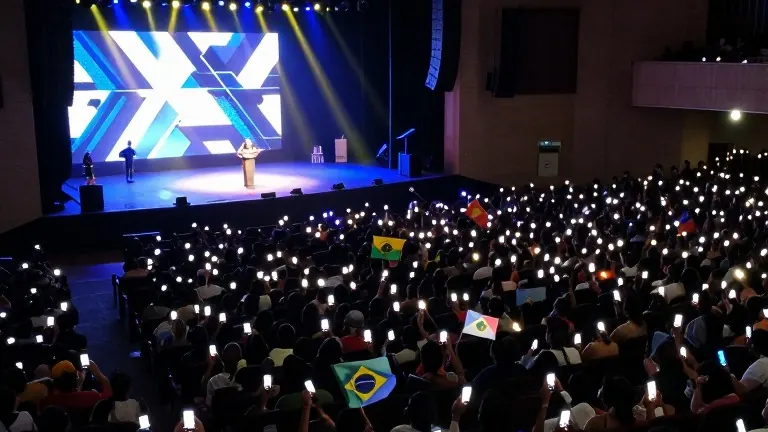
Luiz Inacio Lula da Silva has won re-election as Brazil's president, a result that disrupts the Trump administration's strategy for the Western Hemisphere. The left-wing leader secured a decisive victory over Flávio Bolsonaro, the son of former President Jair Bolsonaro, in a contest that highlighted deep divisions over Brazil's relationship with the United States. Lula's campaign effectively positioned the election as a referendum on national sovereignty, appealing to voters who viewed recent US tariffs and political commentary as interference in domestic affairs.
During his victory speech, Lula stated that Brazil would not accept being anyone's backyard. He framed his candidacy around standing up to powerful figures, a theme that resonated with his background as a union leader and with voters who felt threatened by US economic pressure. The candidate wore a blue cap reading "Brazil belongs to Brazilians" during key rallies, a visual cue that reinforced his message of independence and helped drive his approval ratings higher in the final weeks of the campaign.
President Donald Trump reacted to the result with mixed signals. He said he liked Lula and that they got along well, yet he also described the election as terrible and rigged. Trump had not officially endorsed Flávio Bolsonaro, but he maintained a close alliance with Bolsonaro's father. The US president had previously imposed punitive tariffs on Brazil, a move largely driven by his support for Jair Bolsonaro's political cause during his trial for a coup attempt. These tariffs, which Lula argued were politically motivated, had strained relations between the two nations before the campaign began.
The outcome challenges the Trump administration's effort to establish US dominance in the region, a strategy labeled the Donroe Doctrine. Several Latin American nations, including Argentina, Chile, and Colombia, have recently elected leaders who align closely with Washington. Analysts had viewed Brazil as the final and largest prize in this regional alignment. Christopher Sabatini, a senior fellow for Latin America at Chatham House, noted that Trump believed Brazil would join this bloc after Flávio Bolsonaro won the first round. Brazil's status as the region's largest economy and its possession of the world's second-largest reserves of rare earth minerals made it a critical target for US strategic interests.
Flávio Bolsonaro has refused to recognize the outcome, citing concerns about the process, although the Supreme Electoral Court found no evidence of irregularities. This dispute adds a layer of tension to the diplomatic relationship. Earlier this year, Brazil accused the US of trying to cast doubt on its electoral system and denied visas to two State Department officials. The US responded by revoking the Brazilian ambassador's visa. If Trump continues to characterize the election as rigged, further diplomatic friction is expected.
Several policy areas remain points of contention between the two governments. Lula has opposed US military actions in the region, including operations in Venezuela and against drug-trafficking vessels. He has also criticized the US decision to designate two major Brazilian gangs as terrorist organizations, a move he linked to lobbying by the Bolsonaro family. Additionally, the US administration has expressed dissatisfaction with Pix, Brazil's instant payment system, which it sees as a competitor to Visa and Mastercard.
The election also exposed disagreements over the role of technology in politics. Lula's campaign accused Meta of favoring Flávio Bolsonaro, while the company admitted to moderation issues that limited some posts. Supporters of Lula used a WhatsApp group with 10 million members to share his messages directly, bypassing algorithmic filters. Despite these frictions, the US remains Brazil's second-largest trading partner after China.
Lula's term runs for four more years, and the relationship between the two leaders will depend on how actively the US intervenes in Brazilian affairs. For now, the two presidents report that their recent meetings in the Oval Office and at the United Nations were productive. Lula said he left those talks very satisfied, while Trump described them as very good. The next step is for the new term to begin, with Lula set to address the national assembly later this month.
Source: BBC News