New Orleans blacksmith restores historic ironwork by hand
Darryl Reeves maintains a century-old craft, teaching a new generation to repair the city's architectural heritage using 1790s plans.
By Victoria Hayes ·
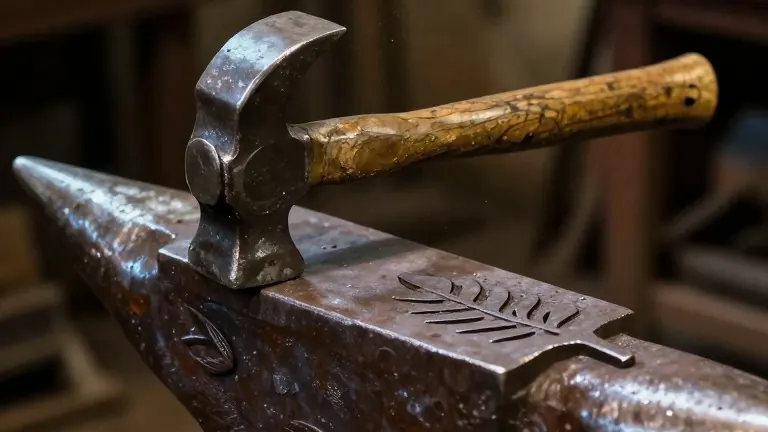
Darryl Reeves operates one of the last remaining blacksmith shops in New Orleans, preserving the city's iron architecture through manual labor.
The city's historic structures, including balconies, fences, and gates, have endured multiple fires and hurricanes over several centuries. Reeves runs Andrew’s Welding and Blacksmith Shop, continuing a family trade established by his grandfather. As a child, Reeves was often sent away from the shop but retained vivid memories of the sparks and the physical act of shaping metal.
"We used to just pass through and just watch these guys beat on this metal with the sparks and all," Reeves said. "I think that had a lot of influence with me enjoying to work with metal."
Reeves specializes in restoring historic ironwork using original documentation. He recently completed the fence in front of the Cabildo, a project that required following plans dating back to the 1790s. This process involves recreating specific designs, such as metal leaves and hinges, using hand-forged tools that Reeves also manufactures. "That’s learning from the past. That’s given a conversation with the person that actually fabricated it," Reeves said.
The shop now serves as a training ground for a younger demographic. Karina Roca, an apprentice from Boston, has worked in the shop for five years. Roca is currently pursuing a master’s degree in historic preservation at Tulane University. She discovered Reeves through a PBS program more than 10 years ago and decided to study under his direction. "Well, I’ve always secretly wanted to be an iron worker," Roca said. "And then I saw a PBS program on Darryl Reeves over 10 years ago at this point, and I was like, ‘Yep, I’m going to study under that guy.’"
Roca views the work as a method for maintaining the city's distinct aesthetic, which blends Spanish, West African, and French cultural elements. "It works in so many ways to kind of keep this aesthetic of New Orleans alive," Roca said. "It’s very Spanish. It’s very West African. It’s very French. So it’s sort of this symbol, this beacon of a space where all of these cultures have come together for centuries now."