Arab parties hold key to Israel's next government after tight vote
Record turnout by Palestinian citizens gave Arab-led blocs 19 seats, leaving both major coalitions short of a majority and forcing complex coalition talks.
By Eric Collins ·
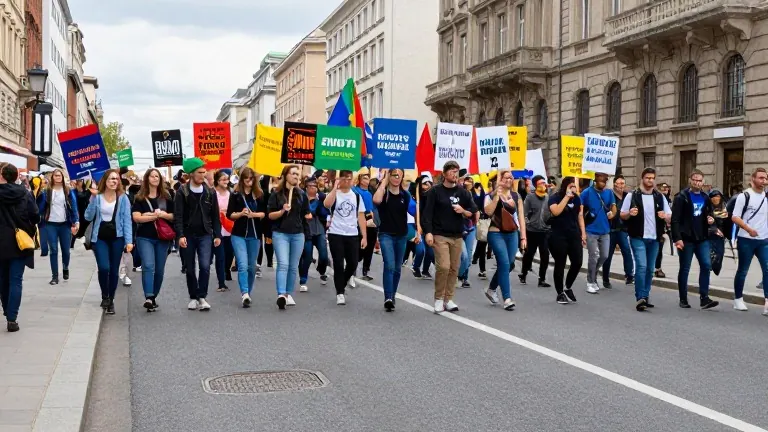
Palestinian citizens of Israel turned out in record numbers for the general election last month, a surge that left neither Benjamin Netanyahu nor his challenger Gadi Eisenkot with enough seats to govern. Arab-led parties won 19 of the 120 seats in the Knesset, making them the decisive factor in the upcoming coalition negotiations.
Jamal Zahalka, chairman of the High Follow-Up Committee, described the outcome as a historical achievement for the community. "We blocked the government of Netanyahu from continuing," he said. "I think our community found its strength." The Central Elections Committee reported a 64% increase in votes for Arab-led parties compared to the previous election.
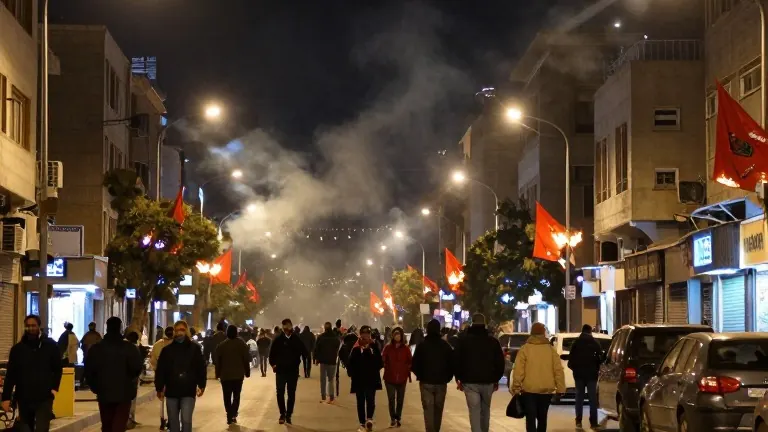
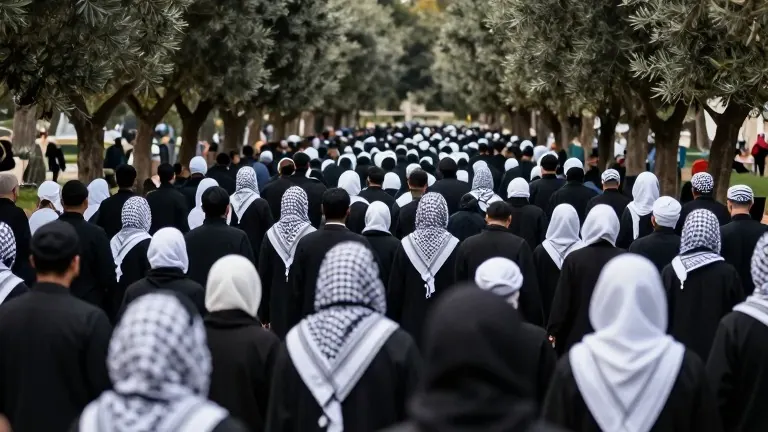
The election results have intensified debate over Israel's definition of itself and the role of its Palestinian minority, who now comprise about 20% of the population. In the town of Kufr Qasim, residents gathered two days after the vote for a commemoration of killings that occurred there in 1956. Speakers told the crowd that the story is not over, citing rising discrimination since the attacks on October 7, 2023, and the ongoing war in Gaza that has killed more than 74,000 Palestinians.
Netanyahu's camp reacted sharply to the turnout, calling the situation an emergency. Likud claimed the Arab parties won through bribery and threats, warnings that election officials and police say lack evidence. Itamar Ben Gvir, the national security minister, campaigned in Kufr Qasim urging voters to ensure the state remains Jewish and Zionist. These messages aim to prevent Eisenkot from forming a stable government with Arab support.
Eisenkot, a former military chief of staff, faces a difficult path. His son was killed fighting in Gaza, and he is known for the "Dahiyeh doctrine," which advocates for disproportionate force against areas from which militants fire. Arab parties are divided on how to proceed. Ra'am, a conservative Islamist party, campaigned on joining a coalition. The Joint List alliance, which won 11 of the 19 Arab seats, has said it will not formally partner with Eisenkot but may support his government from the outside.
President Isaac Herzog is currently consulting with parties and is expected to announce which candidate receives a mandate to form a government next week. The chosen candidate will have 28 days to assemble a coalition, with the option for a two-week extension. If no government is formed, Israel faces repeat elections next year.