COP31 Opens in Antalya Amid Record Heat and Energy Crisis
Negotiations begin in Turkey as global leaders confront the reality of overshooting the 1.5 C temperature limit while the U.S. stays away.
By Daniela Ortega ·
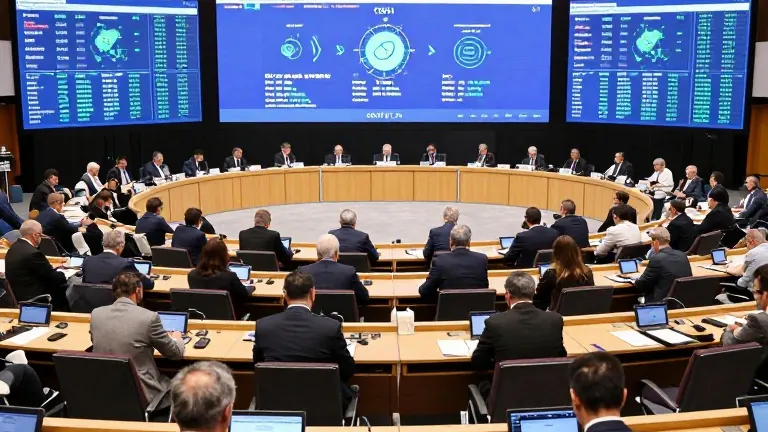
Global negotiations to curb climate change began Monday in Antalya, Turkey, as world leaders gathered for the United Nations Conference of the Parties, or COP31. The summit starts against a backdrop of rising global temperatures and extreme weather events that have intensified over the past year.
Delegates are facing the difficult reality that the planet is likely to exceed the 1.5 C temperature threshold established by the 2015 Paris Agreement. Climate scientists confirm that global average temperature rise will surpass this limit since the early 1800s, a milestone that marks a shift in international climate strategy.
Turkish Environment Minister Murat Kurum, who serves as the president of COP31, stated that the summit marks the first time it is clear beyond a reasonable doubt that the world will overshoot the 1.5-degree target. He emphasized that the group will not look away or lower their ambition, even as the goal becomes harder to achieve.
Kurum announced an Action Agenda that prioritizes turning previous climate commitments into concrete action rather than setting new targets. The plan includes reducing methane emissions and building climate-resilient cities, with a central focus on electrification. The goal is to increase the use of electricity from 21% to 35% by 2035, relying on renewable sources like solar and wind to cut greenhouse gas emissions.
The timing of the summit is complicated by the war in Iran, which has effectively closed the Strait of Hormuz. This disruption has pushed up global prices for gasoline, oil, and related products such as fertilizers and pesticides. These rising costs are forcing governments to rethink energy policies, leading to increased investment in renewable energy sources in both the short and long term.
Delegates scheduled to negotiate from Nov. 9 to Nov. 20 will also address how to help poorer countries pay for adaptation to rising temperatures and extreme weather. They must also tackle the transition away from fossil fuels, a topic that has seen mixed results in previous years. The last two summits, held in Brazil and Azerbaijan, ended with little agreement on reducing greenhouse emissions, and their final texts did not mention fuels.
The United States, the world’s second-largest polluter after China, is absent from the negotiations in Antalya. President Donald Trump withdrew the U.S. from climate negotiations during his first term and again when he took office for a second time in January 2025. This absence continues a pattern of U.S. disengagement from these international talks.
U.N. Climate Change Executive Secretary Simon Stiell noted that no single COP is a silver bullet that can stop climate change overnight. He added that every recent summit has made essential progress and that COP31 in Antalya will do the same. The meeting is being jointly organized by Turkey and Australia, a compromise after the two nations jostled for the host role.
Turkey is the official host, while Australia is leading the negotiations. Both countries face criticism for their strong reliance on coal, which adds scrutiny to their leadership roles in the climate talks. The summit aims to bridge the gap between previous promises and current action as the global community confronts a warming world.