Turkey unveils $500 billion energy plan ahead of climate summit
The National Energy Plan 2040 targets a 40% cut in emissions and a massive expansion of solar and wind capacity before leaders gather in Antalya next week.
By Eric Collins ·
Turkey’s Energy Minister Alparslan Bayraktar announced a detailed roadmap on Friday to reduce the country’s reliance on coal and increase clean energy production. The plan coincides with the upcoming COP31 climate change summit, which will be held in the Mediterranean city of Antalya next week. The announcement places immediate focus on Turkey’s current energy mix, where coal remains the dominant source of power.
The document, titled the National Energy Plan 2040, sets specific numerical targets for the next 13 years. Bayraktar stated that Turkey aims to reduce emissions by 40% by 2040. This reduction is central to the nation's pledge to reach net zero emissions by 2053. The minister described the shift from coal to cleaner sources as a "paradigm shift" in how the country uses energy.
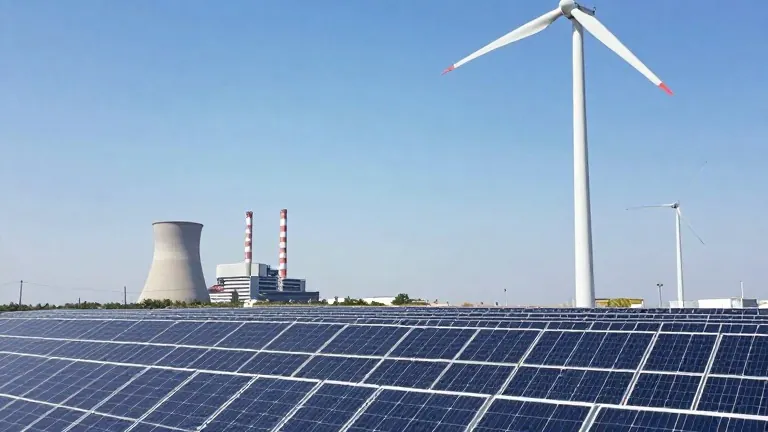
Currently, coal accounts for 33% of Turkey’s electricity generation, according to the Turkish Energy Ministry. Solar and wind sources contribute nearly 23% of the total. The new plan projects that the share of solar and wind energy in electricity generation will more than quadruple over the next 13 years. Bayraktar said the goal is to reach 36% electrification of the energy system by 2040.
A major component of the plan involves expanding the use of electric vehicles. Bayraktar noted that the number of electric cars on Turkish roads is currently around 500,000. The plan targets 20 million electric vehicles on the roads by 2040. This transition is part of a broader strategy to electrify transport and reduce carbon output from the sector.
The minister emphasized that achieving these targets requires substantial financial commitment. The plan calls for $500 billion in investment over the next 13 years. Approximately $210 billion of this amount is expected to come from Turkish public sector companies. The remainder is anticipated to be sourced from foreign investment. Bayraktar told reporters that finding this funding is essential if the world is to take carbon neutrality seriously.
The transition will also affect labor markets in coal-dependent regions. Bayraktar said the government is seeking a "just transition" to ensure that communities relying on mines and power stations do not suffer disproportionately. He noted that the coal sector provides employment for between 30,000 and 40,000 people. "How are we going to make these miners into AI experts or high-tech experts? It’s not going to be easy," Bayraktar said, adding that a transition period is necessary.
Despite the push for clean energy, Turkey will continue to use natural gas for the foreseeable future. The country recently began drilling for gas reserves in the Black Sea. Bayraktar stated that annual production is expected to double to 7.5 billion cubic meters in the coming years. This increase in gas output is intended to support energy security during the transition phase.
Nuclear power is another key element of the 2040 plan. The Akkuyu nuclear power plant on the Mediterranean coast is nearing the start of operations. Plans are also underway for a second nuclear station located by the Black Sea. Bayraktar described these projects as critical to the "very ambitious target" of becoming energy independent by 2040.
The minister acknowledged external challenges to these goals. He cited sanctions related to the wars in Ukraine and Iran as obstacles to fighting global warming. "We are trying to become carbon neutral in less than three decades’ time and with all these difficulties it’s very difficult to achieve this," he said. The Climate Action Tracker currently rates Turkey’s climate policies as "critically insufficient" compared to the goals of the 2015 Paris Agreement.
As leaders arrive in Antalya next week, Bayraktar said his primary message will be for nations to adopt "responsive and realistic policies." The summit provides a platform for Turkey to present its new energy strategy to the international community.