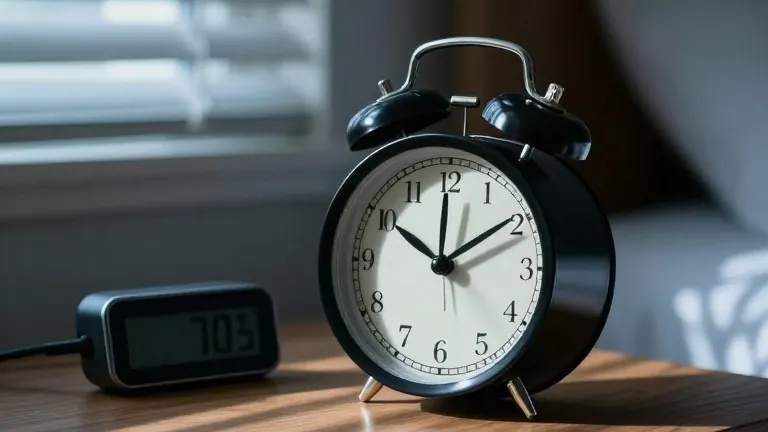
Florida residents gain an hour of sleep as clocks roll back
The switch to standard time shifts sunrise times earlier and restarts the countdown to the winter solstice.
By Eric Collins ·

Tampa, FL. Statewide, Florida residents will experience an additional hour of sleep on Sunday morning when clocks fall back from 2 a.m. to 1 a.m. This adjustment marks the end of daylight saving time and a return to standard time under the Uniform Time Act of 1966. The change aligns the clock with the sun, resulting in earlier mornings and earlier evenings.
For the majority of the state, the timing of the sun shifts noticeably. Sunrise will move from approximately 7:40 a.m. to 6:40 a.m., while sunset will arrive closer to 5:40 p.m. instead of 6:40 p.m. Although the clocks have changed, the length of the day continues to shorten. Each day will lose more than one minute of daylight until the winter solstice arrives on Monday, Dec. 21. That date marks the shortest day and longest night of the year, as well as the official start of astronomical winter in the Northern Hemisphere.
Meteorologists note that the clock change does not alter actual weather conditions. The seasons are determined by the tilt of the Earth, not by the position of the hands on a clock. However, the biannual switch continues to generate debate about the necessity of the practice. A Gallup poll indicates that 72 percent of Americans dislike the time change, though opinions differ on the preferred replacement.
Public opinion is divided on the best alternative to the current system. Roughly half of respondents support making standard time permanent, while only about a quarter favor year-round daylight saving time. The core of the argument centers on whether people value morning light or evening light more. If the country adopted permanent daylight saving time, the latest sunrise of the year would occur between 8:30 and 9 a.m. in late January. Under the current system, daylight saving time is set to return on March 14, 2027.
Legislators in Florida have long pushed for a change to the national schedule. In 2018, state lawmakers passed the Sunshine Protection Act. The measure expressed the state's intent to keep daylight saving time year-round once federal law permits. Nearly two dozen states have passed similar measures to make daylight saving time permanent. Congress has not yet approved a federal change, so the twice-yearly clock adjustment remains the national standard.
Source: Central Florida Public Media · original report published