Local Psychiatrist Outlines SAD Warning Signs
Dr. Norman Rosenthal explains how to identify seasonal affective disorder and offers practical steps to manage symptoms as daylight decreases in Central Florida.
By Victoria Hayes ·
Orlando, FL. Dr. Norman Rosenthal, a psychiatrist who moved from South Africa to the United States in 1976, first observed the pattern of seasonal depression while living through local winters. He noted that residents often felt less energetic as the weather turned harsh and the days grew shorter. Rosenthal described the condition as predictable, stating that individuals became depressed on schedule just like autumn leaves. He published the first research on the syndrome in 1984 and coined the term seasonal affective disorder, or SAD.
The American Psychiatric Association reports that about one in 20 people in the U.S. have SAD. The condition typically persists for roughly 40% of the year. Symptoms include sluggishness, depression, oversleeping, overeating, weight gain, and a loss of interest in previously enjoyable activities. While many people experience the milder winter blues, Rosenthal notes that diagnosed patients are those for whom the problem is severe enough to prompt a visit to a doctor. Women are approximately four times more vulnerable to the condition than men, and it is more common in the Northern Hemisphere.
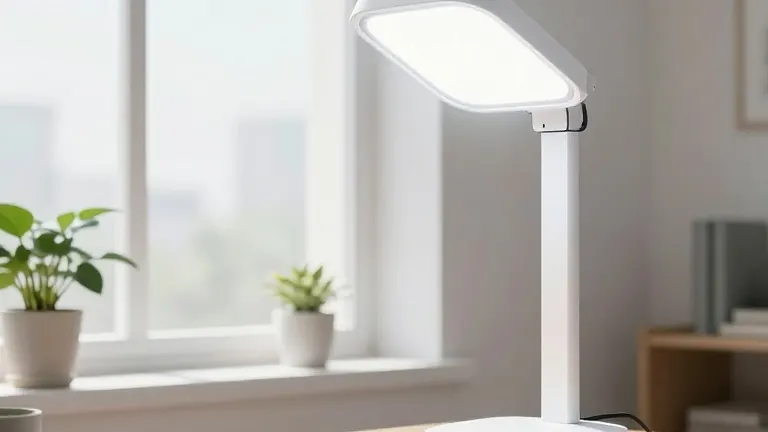
Rosenthal advises patients to recognize the gradual nature of the symptoms. He compares the progression to a frog in a bowl of water that slowly warms up, making it difficult to notice the change until it is severe. To combat the lack of light, he recommends using a SAD lamp that generates approximately 10,000 lux. The light should shine down on the user rather than into their eyes, mimicking natural sunlight. Rosenthal suggests using the lamp for 20 to 30 minutes in the morning. If a user does not feel a difference within two weeks, he recommends returning the device. He also emphasizes the importance of getting natural light by going outside, even on overcast days, and by keeping windows clean.
Dietary habits play a role in managing the condition. Rosenthal states that people with SAD often crave carbohydrates, sweets, and starches, which leads to weight gain. Emily Manoogian, a clinical researcher at the Salk Institute for Biological Studies, explains that food serves as a cue for the body's 24-hour circadian rhythm. She advises stopping eating three hours before sleep and keeping meals within a consistent 10 to 12-hour window to help regulate the body's internal clock.
Physical activity also serves as a signal to the brain. Manoogian notes that exercising during active hours helps the body understand the time of day and stimulates alertness. Rosenthal warns that inactivity creates a vicious cycle where less light leads to more depression, which leads to even less activity. He encourages patients to push through the urge to stay in bed and engage in physical movement.
Stress is identified as a third major cause of SAD, alongside genetics and lack of light. Rosenthal suggests reducing stress through bright home decor, therapy, or meditation. He believes that while meditation has not been fully studied in relation to SAD, it can be helpful. Proactive planning of pleasurable activities is also recommended.
Rosenthal notes that medication can be effective if the disorder interferes with work or personal relationships. He concludes by saying that these strategies are not a cure, but they can help manage the condition. He observes that sometimes the SAD dies of neglect when patients actively manage their symptoms.
The story was originally published on Oct. 23, 2020, and has been updated.
Source: Central Florida Public Media · original report published