ICE arrests spike in multiple U.S. cities ahead of midterms
Reports of increased Immigration and Customs Enforcement operations emerged in New Jersey, Oregon, and other states during the final stretch of the election cycle.
By Daniela Ortega ·
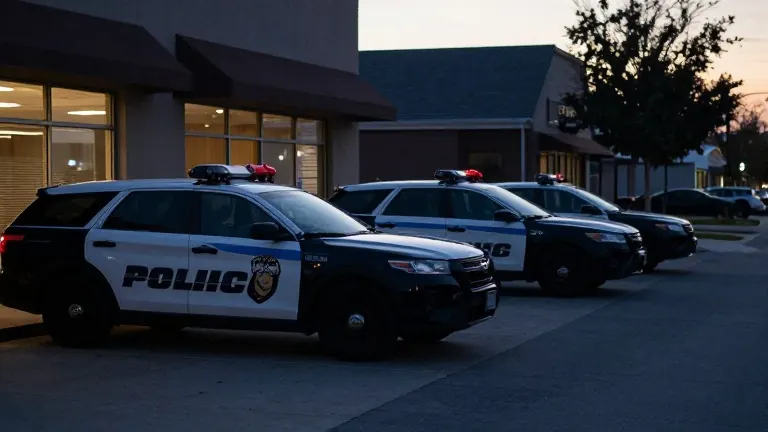
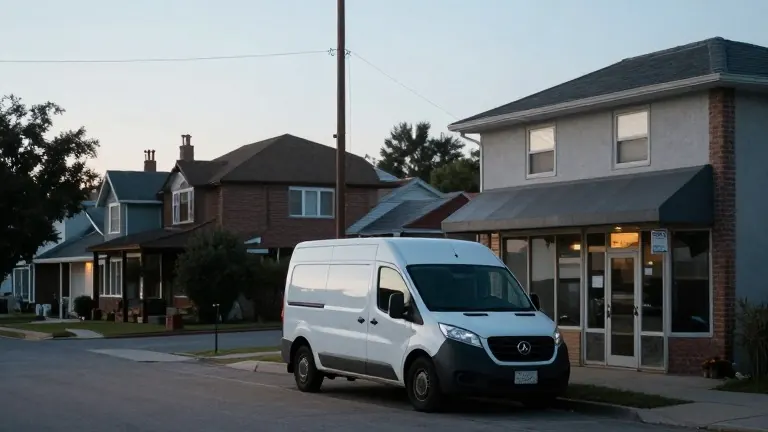
Residents in Dover, New Jersey, woke to find a dozen or more Immigration and Customs Enforcement agents gathered outside a Walgreens on Wednesday at 5 a.m. Sandra Wittner, a Dover councilwoman, said the agents were suiting up in vehicles near Route 80. The sudden presence of federal officers generated apprehension among neighbors who were unsure of the scale of the operation.
Activity continued through the following days. Activists reported another dozen vehicles entering and exiting a Homeland Security warehouse in Roxbury, New Jersey. By Thursday morning, agents were again visible near Wittner's family home. Wittner noted that residents felt uncomfortable and unsafe, though it remained unclear who was detained or where they were taken.
Similar reports have emerged across the country in recent weeks. Observers in rural Illinois, Oregon, Detroit, California, and New York City have documented a surge in arrests. Troy Brynelson, a reporter for Oregon Public Broadcasting, described a noticeable uptick in ICE activity in Portland compared to the summer months. He noted that the increased presence has continued through October.
In New York City, volunteer rapid response groups are tracking these operations. One responder, who asked to remain anonymous to avoid retaliation, said the group has witnessed numerous cluster raids where multiple agents move from one location to another. The group aims to be on scene when operations occur to document the process.
Federal officials have not provided specific data on the surge. When asked by NPR about a recent increase in activity, the Department of Homeland Security stated that ICE agents enforce immigration laws in all 50 states seven days a week. The agency did not offer details on specific regional spikes.
Wendy Weiser, a legal scholar at the Brennan Center for Justice at New York University School of Law, suggested the timing of these tactics may be strategic. She said the administration's deployment of agents appears designed to intimidate voters and election officials. Weiser argued that the goal is to keep people from casting ballots in the weeks leading up to the midterms.
Weiser pointed to early voting data to counter the idea that intimidation is working. She reported a surge in participation, particularly in communities of color and Latino neighborhoods that have been targeted by ICE and Homeland Security. Weiser reminded residents that intimidation at the polls is illegal and should be reported to election officials.
Source: WOI