Iran Conflict and Gas Prices Complicate Republican Midterm Campaigns
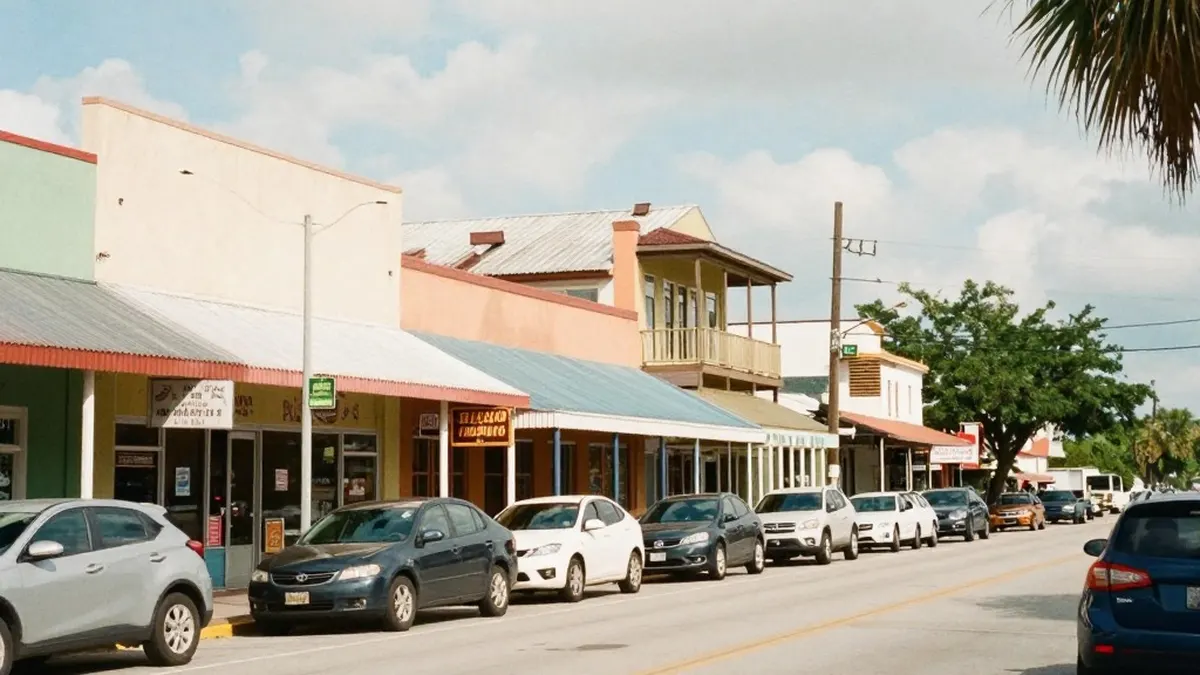
Voters in central Florida and across the nation are linking the ongoing conflict to rising fuel costs, creating a headwind for GOP candidates.
By Victoria Hayes ·
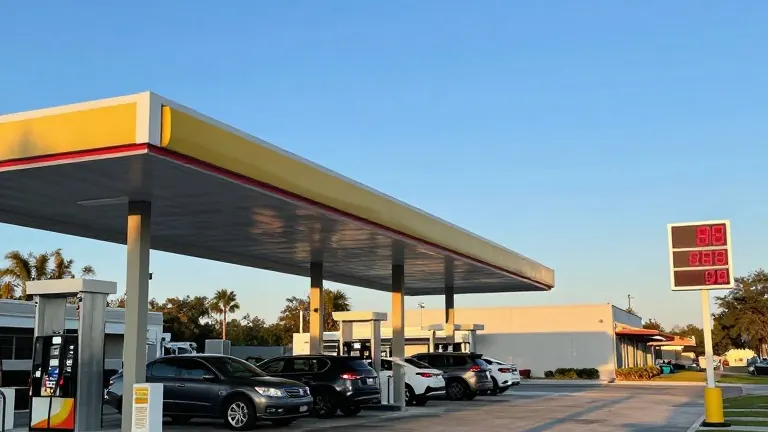
The war in Iran has become a central issue in the midterm elections, with voters expressing frustration over rising fuel costs and the length of the conflict. The conflict, which President Donald Trump has called a little detour, is now nearly eight months old. This duration contrasts with his earlier prediction that the war would last only a few weeks.
Gasoline prices have driven up costs across many sectors of the economy. The national average for gas has remained above $4 per gallon since mid-June. Diesel prices are currently near all-time highs in the United States. These price increases are creating pressure for Republican candidates in competitive states. Those states include Iowa, Kansas, Ohio, and Texas.
Noor Dubow, a 44-year-old dispatcher in Columbus, Ohio, voted for Democrats in the recent early voting period. He usually supports Republican candidates who align with his economic views. However, he said he was frustrated by the decision to go to war with Iran. Dubow works at a trucking logistics firm where he sees the impact of high fuel prices on the industry. He questioned why Republicans in Congress were not holding the president accountable for the conflict.
Republican strategists have acknowledged that the war is damaging the party's efforts to retain control of Congress. An AP-NORC poll released last week found that voters from both parties want the next Congress to focus on affordability. They also want the war to end. The conflict has spread beyond Iran, with Houthi rebels attacking Saudi oil infrastructure and airports. A Saudi-led coalition has responded with attacks on Houthi-held territory in Yemen.
The State Department announced over the weekend that it is reducing staffing at four U.S. embassies in the Middle East. This move follows intelligence reports that Iran has stepped up efforts to target American personnel. Trump has downplayed the economic impact of the war while rallying supporters. At a recent rally in Michigan, he said he had no regrets about launching the war. He argued that the economic impact has been less severe than he expected.
Trump told the audience in Michigan that he thought gas prices would double or triple. He called the current prices a small price to pay for taking a nuclear weapon away from what he called maniacs. Christopher Borick, director of the Lehigh University Opinion Observatory, said Trump's messaging is resonating with a shrinking portion of the electorate. Borick noted that for disappointed voters, the president's claims are not changing their negative outlook on the conflict.
Internal polling suggests that Trump's argument that critics are pushing a hoax has not resonated with American voters. Some Republican voters admit that high gas prices are testing their patience. Clay Coey, a 59-year-old auctioneer from DeWitt, Michigan, said he sometimes cringes when he fills his 2010 Chrysler Sebring. He said he is willing to pay higher prices temporarily to eliminate a security threat, but he questioned what is worth the cost.
Elizabeth Marlett, a 61-year-old beef rancher from Moville, Iowa, said she wished Trump had not set a timeline for the war. She said she wants the U.S. military to act more forcefully to force Iran to capitulate. Marlett said she is sticking with Trump despite the longer duration. She stated that voters need to support their commander in chief even if things take longer than expected.
Some supporters view the war as a betrayal of the America First pledge to avoid foreign entanglements. Sean O'Brien, a 21-year-old student at Auburn University in Alabama, said the decision left him very disillusioned. He attended the Conservative Political Action Conference earlier this year. O'Brien, who considers himself an independent, said he expects to vote Democratic in the upcoming election.
Oil prices peaked in May, fell in June, and surged again in September. Trump threatened to escalate the conflict before backing off and suggesting a deal was near. Strategists said internal polls showed voters linking the war to higher grocery prices and travel costs after Labor Day. Trump has dismissed critics who argue the war is driving an affordability crisis as pushing a scam invented by Democrats.
Source: WKMG-TV · original report published