Maine's LifeFlight sees 10% jump in flights as rural hospitals close
The nonprofit air ambulance service logged 3,031 transports in 2025 and is using higher pay and mental health support to retain staff.
By Eric Collins ·
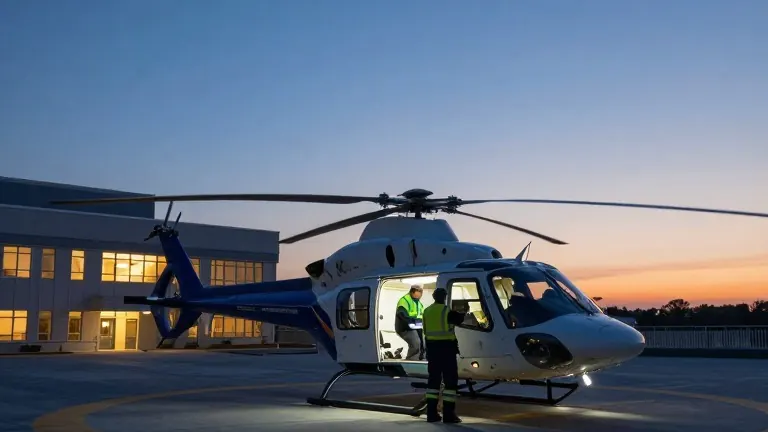
Residents of rural Maine face longer distances to specialized medical care as ground ambulance services struggle to keep pace with demand. Air medical crews are filling the gap left by closing hospitals and strained local emergency systems.
LifeFlight of Maine, based in Bangor, operated 3,031 flights in 2025. That averages to more than one flight every three hours. Demand for the service has doubled since 2015. The organization expects a 10% increase in flights this year.
Nicholas George, who runs the ETHOS Database for air medical programs, notes that the need for these services is rising annually. He says EMS is becoming the backstop for a fragmented rural healthcare system. The Congressional Budget Office estimates Medicaid cuts will total $911 billion over the next decade. Those cuts put hundreds of rural hospitals and maternity departments at risk of closing.
Flight nurse Denise Saucier has worked for the service for seven years. She describes the job as a dream but acknowledges the increasing difficulty. Her partner, paramedic Brian Merklin, joined after leaving the field for a few years following a burnout period in Nevada.
CEO Joe Kellner became leader of the nonprofit in 2023. He implemented changes to address retention issues. For the first time in nine years, the company is nearly fully staffed. Kellner raised paramedic pay to match flight nurses, a move rare in an industry where paramedics typically earn less.
The organization also hired a full-time mental health counselor. Kellner notes that the cost of training a new employee is about $100,000. He believes counseling keeps two or three people from leaving, which protects that investment. EMS workers report rates of post-traumatic stress injury, anxiety, and depression more than five times higher than the average American.
Training remains a core focus. The Critical Care Academy, a six to eight month orientation program, prepares new hires for the physical and mental demands of the job. Instructors use simulations to test skills, including emergency breathing procedures on mannequins and pig tracheas. A mentorship program also helps recruit qualified candidates.
Merklin and Saucier recently transported a patient from a community hospital rooftop to a trauma center. Most transports are interfacility, moving patients from smaller local hospitals to larger centers with more resources. Scene calls to accident sites make up less than 10% of their work. The team prepares for quick exits from helicopters, watching terrain to avoid rotors, as they continue to serve one of the country's most rural states.
More Business · Orlando news · Buyer Beware · Report a business · Got a Story?