Midterm election day tests Trump's grip on Congress
More than 50 million Americans have already voted in the Nov. 3 race, where Democrats aim to flip both chambers and key governorships.
By Eric Collins ·

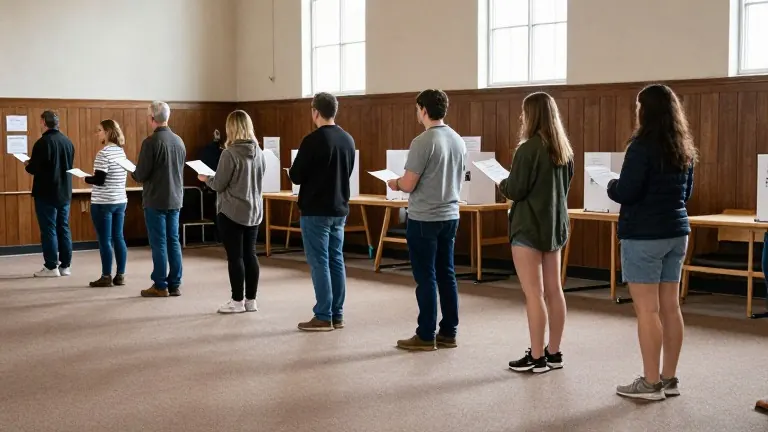
Americans cast their ballots on Tuesday, Nov. 3, in a midterm election that will define the remainder of President Donald Trump's term.
The vote serves as a referendum on the first two years of Trump's administration. History and polling suggest a tough night for Republicans, though redistricting may limit Democratic gains.
Democrats are seeking majorities in both the House of Representatives and the Senate to check Trump's power after a compliant Republican Congress. Several key governorships are also on the ballot.
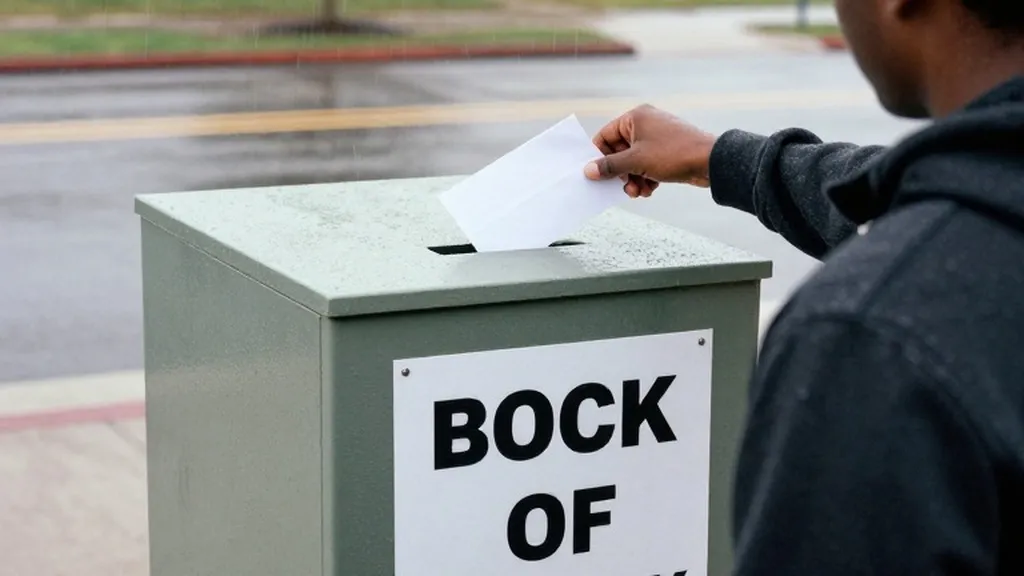
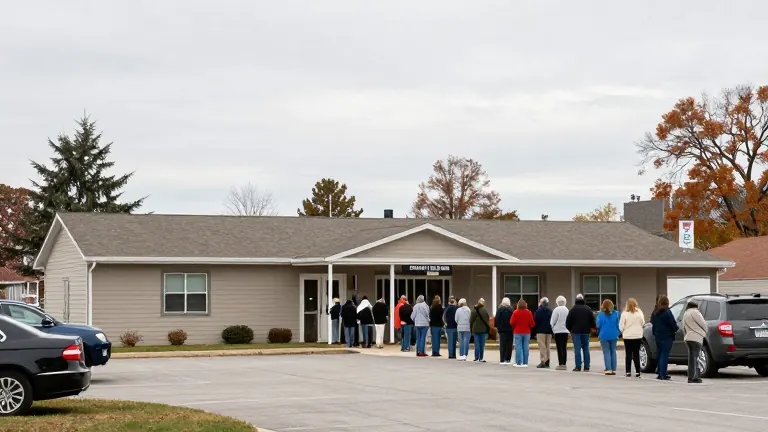
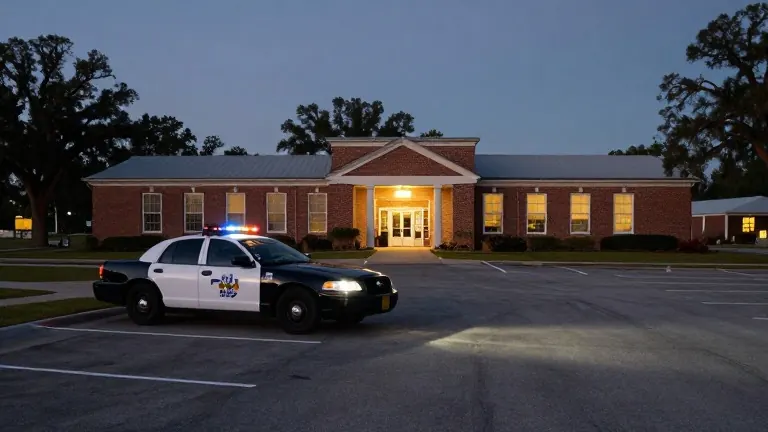
Over 50 million Americans have already voted, with many more ballots cast on election day. Government watchdog groups fear interference from Trump and his allies, prompting Democrats and nonpartisan observers to train tens of thousands of volunteers to monitor polling places.
Trump is trying to break the historical trend where the party occupying the White House loses congressional seats in midterms. Democrats are optimistic, citing Trump's low approval ratings and voter concerns about the war with Iran, rising gas prices, and the cost of living.
The President relies on his base of white working-class voters to save Republican allies. However, signs indicate Democrats are more motivated to vote against Trump's party. The results will show if his coalition remains strong enough to avoid defeat, particularly among Hispanic, Black, and young voters who supported him in 2024.
Democrats have a slim chance of winning both chambers, which has happened only three times since World War II: 1946, 1994, and 2006. Strategists from both parties believe Democrats are on track to take the House, where Republicans hold a narrow 220-215 lead. Democrats target more than 60 districts, including many where Trump won by double digits, but redistricting and partisan division reduce the number of competitive races compared to 2018, when Democrats gained 40 seats.
The Senate is also in play. Republicans hold a 53-47 advantage. Democrats need to win four seats in states Trump won, including Ohio, Iowa, Kansas, Texas, and Alaska. The President's administration has hinted at federal intervention in Alaska after a judge rejected a Justice Department suit to block certification if Republican Sen. Dan Sullivan loses. Trump called the situation "fraude electoral al más alto nivel." The government also failed to stop California from counting 20,000 ballots from people identified as "probable" non-citizens. The Justice Department will send about 1,000 employees to observe the vote, while observers worry Trump might deploy federal immigration agents or the National Guard to intimidate voters in large Democratic districts. The administration says it has no current plans to do so.
Source: WTMO-CD · original report published
More Politics · Orlando news · Report a business · Got a Story?