Polls Show 75% of Voters Dissatisfied Ahead of Midterm Elections
Early voting numbers and national surveys indicate a difficult night for Republicans, with costs of living and congressional checks on power driving voter sentiment.
By Daniela Ortega ·
Roughly three-quarters of American voters describe themselves as angry or dissatisfied with the direction of the country, according to the Associated Press Voter Poll released this week. This high level of discontent arrives just hours before Tuesday’s midterm elections, setting the stage for what polls suggest will be a challenging night for President Donald Trump’s Republican Party.
The poll found that about six in 10 respondents believe high prices are the result of Trump’s policies rather than external factors. Approximately 70% of voters want Congress to provide more checks and balances on the presidency. Democrats are seeking majorities in both the House and Senate to limit the executive branch’s power after two years of a compliant Republican-controlled legislature.
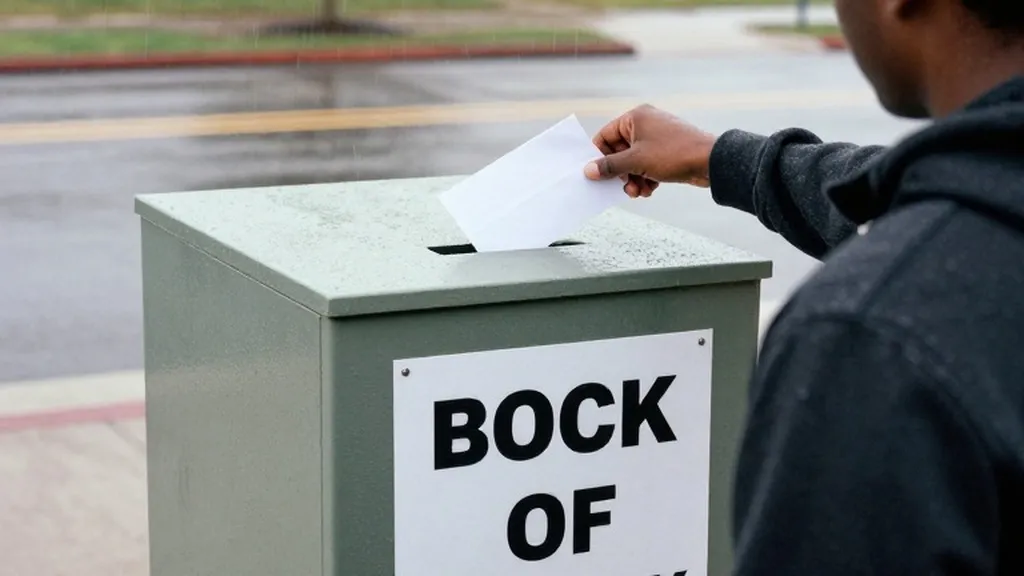
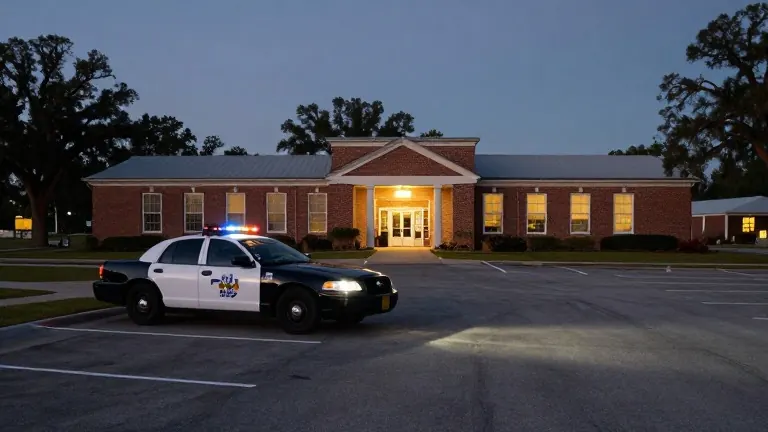
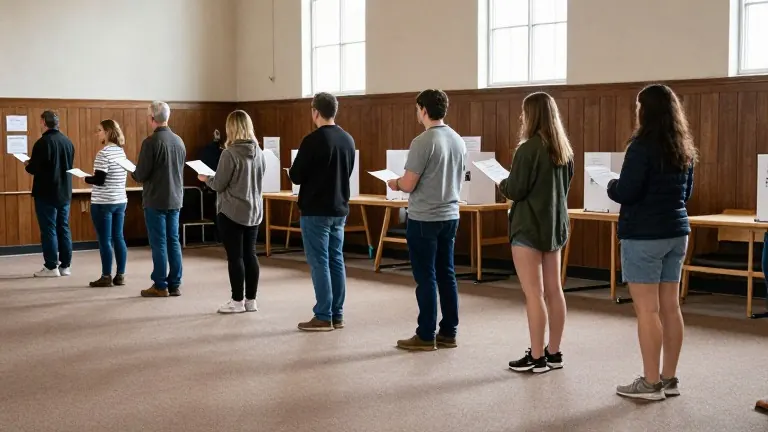
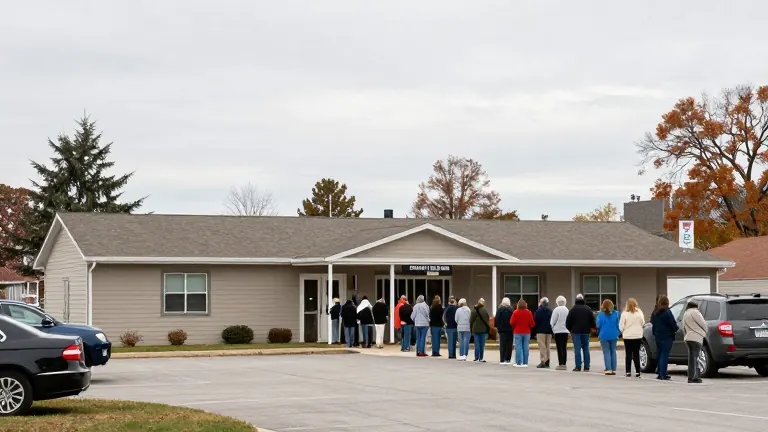
Election officials report that more than 59 million Americans have already voted. While many more ballots will be cast on Election Day, government watchdog groups are closely monitoring the process. Democrats and nonpartisan organizations have trained tens of thousands of volunteers to watch polling places, driven by concerns that the president and his allies might interfere with the vote.
Historical data shows that the party holding the White House usually loses seats in midterms. However, the political map and recent redistricting efforts could limit Democratic gains. Strategists believe Democrats are on track to win the House, where Republicans started the current Congress with a narrow 220 to 215 margin. The Senate is also in play, with Democrats needing to flip four seats from a current 53 to 47 Republican advantage. Key targets include Ohio, Iowa, Kansas, Texas, and Alaska.
In Florida, attention is turning to the redrawn 22nd and 25th Congressional Districts. Both seats were designed as Republican pickups following the spring redistricting. Voters in the state will also decide on several other downballot races as the nation watches for signs of a broader Democratic surge or a resilient Republican coalition.
The Trump administration has taken specific actions in recent days that heightened scrutiny of the election process. In Alaska, the Justice Department hinted at federal intervention after a judge rejected a lawsuit seeking to block the certification of the Senate race if Republican Sen. Dan Sullivan loses. Trump labeled the situation voter fraud at the highest level. The administration also attempted, without success, to stop California from counting 20,000 ballots from individuals identified as likely noncitizens.
The Department of Justice is sending approximately 1,000 staff members to observe voting and ensure federal laws are followed. Election observers remain concerned that federal immigration agents or the National Guard could be dispatched to large Democratic precincts to intimidate voters. The Trump administration states it has no current plans to deploy these forces, but the presence of federal staff has drawn attention from election protection groups across the country.
The outcome of Tuesday’s vote will also shape the internal dynamics of the Democratic Party. Progressives are banking on wins for candidates like Michigan Senate nominee Abdul El-Sayed, while the establishment looks at races in states like Georgia and North Carolina. A Democratic sweep of the presidency’s checks and balances would fuel a wide open nominating fight for 2028. Conversely, losses in key battleground states could lead to internal debate over the party’s strategy and identity as it prepares for the next presidential cycle.
Source: WKMG-TV · original report published
More Politics · Orlando news · Report a business · Got a Story?