New Zealand Election Day Enforces Strict Silence to Protect Voter Choice
Polls open Saturday under a law that criminalizes political discussion until 7 p.m., a tradition designed to keep early voters free from last minute pressure.
By Victoria Hayes ·
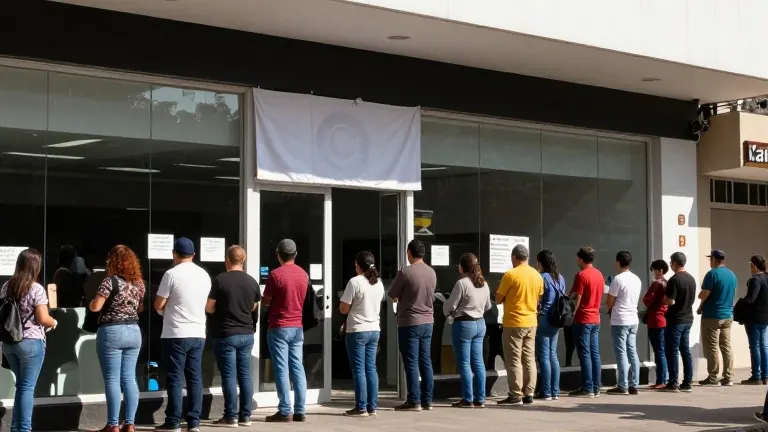
Polling stations in New Zealand opened at 9 a.m. on Saturday for the final day of voting, with a unique legal framework banning almost all political commentary until the doors close at 7 p.m. The Electoral Commission reported that more than 1.6 million people out of nearly 3.8 million enrolled voters had already cast their ballots by the end of Thursday. This high rate of early participation defines the current election cycle, which began on Oct. 26.
The quiet period is mandated by a law that makes it a criminal offense to influence someone’s vote on election day. The 19 hour blackout applies to everyone, including political parties, news outlets, and social media users. It bars commentary on likely outcomes, campaign issues, and anything else that might encourage or discourage a specific vote. Breaches of this rule can result in a fine of 20,000 New Zealand dollars, which is approximately $11,000.
The restrictions extend beyond speeches and articles. Opinion polls cannot be released, and exit polling or interviewing voters outside polling places is banned. Partisan billboards and advertising had to be removed by midnight Friday. It is common for party supporters to rush to dismantle roadside signs at the last minute. Even bumper stickers, T shirts, and social media profile pictures are covered by the law.
News outlets may name parties or candidates, but they must ensure the coverage does not appear to influence the vote. They are not required to remove political content published before Saturday. Political leaders often use the day for private errands to maintain public visibility without discussing current events. In 2017, one major party leader let reporters photograph her in sweatpants while painting a fence at her home.
Some analysts argue the blackout is redundant because most citizens vote well before the final day. In 2023, more than half of the 5 million eligible voters cast early ballots while campaigning was in full swing. However, supporters of the law say it allows voters to choose privately and free from interference. A local tradition has emerged where people share photos of dogs at voting places on social media instead of political debate.
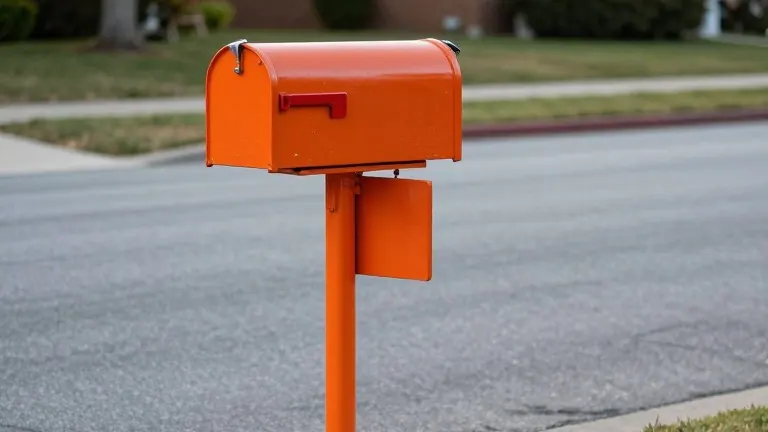
Visual cues in the election are also managed to avoid favoring any group. Signs, officer jackets, and the election mascot are bright orange, a color not associated with any mainstream party. New Zealand has a single house of parliament with no states, making the central government the primary decision maker. Elections occur every three years, and a party or coalition must hold more than half of the seats to govern.
Voters select their preferred political party and a local candidate for their area. Unlike in Australia, voting is not compulsory, but enrollment is required for eligible citizens. New laws enacted in December 2025 introduced a cutoff for enrollment 13 days before election day. This means people who did not enroll by Oct. 25 could be turned away from polling places on Saturday.
The Electoral Commission aims to release results for 95% of the votes by the end of election night. A final result that includes ballots cast by New Zealanders abroad is expected by Nov. 27.