Photographer releases book on surviving Florida cypress swamps
Mac Stone’s new work documents the rare old-growth wetlands that remain after industrial logging reduced the region’s swamp coverage by over 99%.
By Daniela Ortega ·
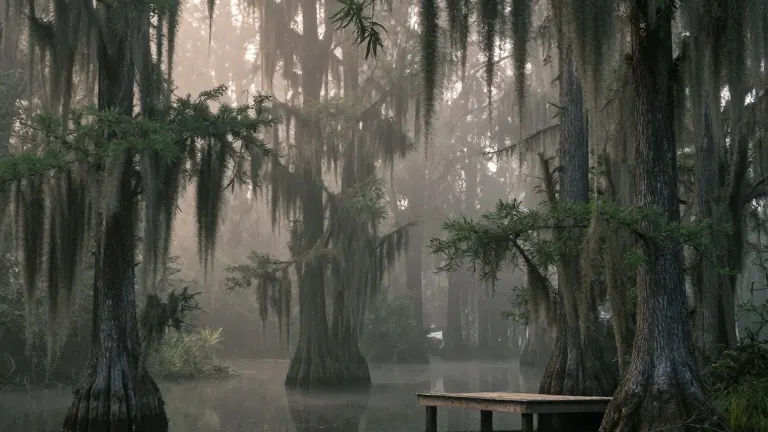
A new book released by National Geographic photographer Mac Stone focuses on the few remaining ancient cypress swamps in the American South. Stone spent years documenting these ecosystems, which he describes as distinct from other wetlands due to the age of the trees and the specific wildlife interactions they support.
The swamps featured in the book contain cypress trees that can be between 2,000 and 3,000 years old. Stone notes that these canopies are also ancient, preserving animal interactions that have remained unchanged for centuries. He states that these areas offer a glimpse of how the Southeast looked and functioned before industrial logging took over.
The reduction of these forests was driven by a large-scale effort to drain the land for agriculture. A federal decree known as the Swampland Act of 1850 incentivized states to cut down and drain their swamps. According to Stone, the region once contained 40 million acres of old-growth swamps. Today, only 10,000 to 12,000 acres remain.
Stone utilized a technique called camera trapping to capture images of wildlife in these habitats. This method involves setting up elaborate systems with speed lights and strobes to create an outdoor studio environment. The equipment is designed to trigger when an animal crosses a beam, allowing the subject to take its own photograph. Stone described the process as frustrating, particularly in the tropics and South Florida, where rain, humidity, and hurricanes can damage the gear.
The photographer lost six cameras during the project, often due to black bears demolishing the setups. He noted that checking the equipment after one or two months of waiting felt like Christmas morning when a successful image was captured. The book, titled "Cypress: The Last Old Growth Swamps," includes these photographs alongside essays. Corkscrew Swamp in Naples is one of the locations documented in the work.
Stone argues that the swamp changes a person’s concept of beauty. He explains that entering an old-growth virgin swamp is physically challenging and requires constant alertness. However, the density of life in these areas is striking. Visitors encounter snapping turtles, catfish, alligators, snakes, frogs, raccoons, orchids, and bromeliads. Stone says this environment challenges conventional ideas of what is beautiful and what is inherently southeastern.
The book is a coffee table format that combines visual documentation with written commentary. Stone describes the project as a love letter to these swamps. The images capture the ecosystem from underwater to the upper canopies and into the backcountry. The work aims to preserve the visual record of these remaining habitats before they are lost further to environmental changes.
Stone’s documentation highlights the specific biodiversity found in these bottlenecks. He points to the variety of species present in a single location as evidence of the swamp’s unique ecological value. The book serves as a detailed record of the remaining acres of old-growth cypress forest in the region.
Source: Central Florida Public Media · original report published