Dentists weigh fluoride-free toothpaste options
New research suggests hydroxyapatite products offer similar cavity protection to traditional fluoride pastes, though experts note the evidence base is still developing.
By Victoria Hayes ·
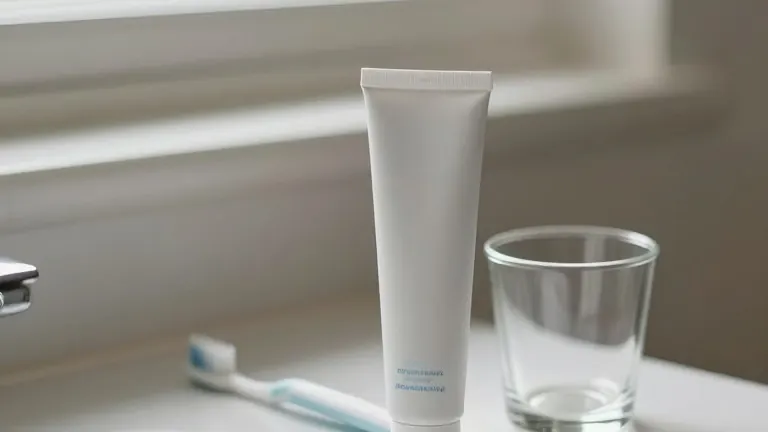
Dr. Jin-Ho Phark, an associate professor of clinical dentistry at the University of Southern California, reports that patients are increasingly asking about toothpaste options that do not contain fluoride. He notes that this curiosity is spreading from his patients to dental students as well. The specific ingredient driving this shift is hydroxyapatite, a calcium phosphate mineral that is naturally found in tooth enamel.
Traditional fluoride toothpaste became widely available in the late 1950s when Procter & Gamble released Crest nationally. For several decades, fluoride served as the standard active ingredient in oral care products. These formulations help protect the outer layer of teeth from bacteria that cause cavities. According to the Centers for Disease Control and Prevention, adding fluoride to public drinking water reduced cavity rates by 25 percent.
Recent skepticism about fluoride has fueled interest in alternative ingredients. Health Secretary Robert F. Kennedy Jr. has linked water fluoridation to various health issues, including arthritis and neurodevelopmental disorders. Bennett Amaechi, a professor of dentistry at the University of Texas at San Antonio, says many people are now hesitant to use fluoride, particularly for their children. He notes that existing research on fluoride and IQ generally involves exposure levels far higher than those found in standard U.S. water supplies.
Hydroxyapatite products claim to offer cavity protection, whitening, and enamel strengthening without fluoride. Dr. Livia Tenuta, an associate professor at the University of Michigan School of Dentistry, explains that fluoride works by remineralizing teeth. When fluoride remains in saliva after brushing, it brings minerals back to the tooth surface to form a protective shield. Hydroxyapatite is thought to work differently, with nano-sized particles potentially penetrating tiny crevices in the enamel.
Early research indicates that hydroxyapatite performs similarly to fluoride in preventing tooth decay. Amaechi was a co-author on a 2021 study in the journal Scientific Reports that followed 177 children for nearly one year. The study compared hydroxyapatite toothpaste to fluoride toothpaste and found similar outcomes in both groups. That research was funded in part by Dr. Wolff Group, a German company that produces hydroxyapatite-based toothpastes.
A second study published in 2023 in the journal Frontiers in Public Health tracked 171 adults over 18 months. Participants who used hydroxyapatite toothpaste showed similar results to those using fluoride toothpaste. However, Tenuta points out that the participants in this study were mostly healthy young adults without severe oral health issues. She emphasizes the need for more long-term studies involving people at high risk for tooth decay.
A 2019 study in the Journal of Investigative and Clinical Dentistry examined 133 individuals with a higher risk of caries. After five months, researchers found that both hydroxyapatite and fluoride toothpastes performed similarly. Despite these findings, Amaechi advises patients who are open to both options to choose fluoride because it has a longer history of supporting evidence.
Hydroxyapatite toothpastes are often more expensive than fluoride alternatives, with some brands costing more than a dollar per ounce more. The American Dental Association states that while evidence for hydroxyapatite is growing, it remains limited and ambiguous regarding specific clinical indications. The association continues to recommend brushing twice daily for two minutes with fluoride toothpaste, flossing daily, and visiting a dentist regularly.
Source: Central Florida Public Media · original report published