One Tanker: The Fuel Crisis Squeezing Cuba's Grid
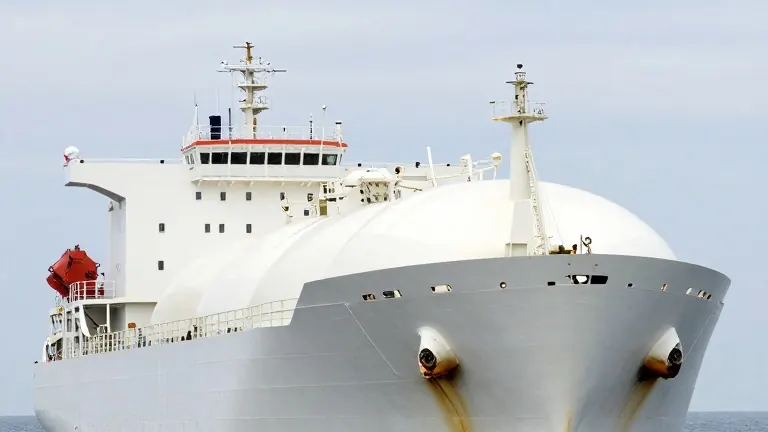
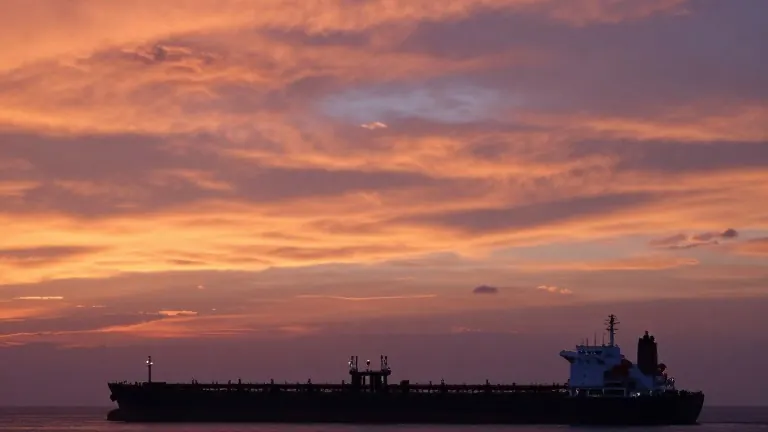
Cuban officials state that only a single oil tanker has reached the island since early January, leaving hospitals to rely on hand-pumped oxygen and street vendors to survive.
By Eric Collins ·
Cuba has operated under communist rule since the 1960s, a system where the government employs most workers and controls essential services. The current economic squeeze stems from a tightened U.S. embargo that restricts oil imports and threatens sanctions on foreign companies trading with Havana. This policy shift has left the island struggling to procure basic necessities like fuel, food, and medicine.
Cuban officials report that just one tanker of oil has arrived since early January. This scarcity has crippled the electrical grid, causing daily blackouts that plunge large parts of the country into darkness. In Old Havana, streets that were once lit at night are now dark, and residents report long lines for bread and empty pharmacy shelves.
The impact is most visible in the healthcare system. At William Soler Hospital, medical staff are managing critical cases with limited resources. Dr. Alejandro Chong, the head of the intensive care unit, noted that an infant admitted in a dehydrated state weighed less than five pounds. The doctor explained that the child required nutritional support, a process complicated by a shortage of specialized formulas that typically come from the United States.
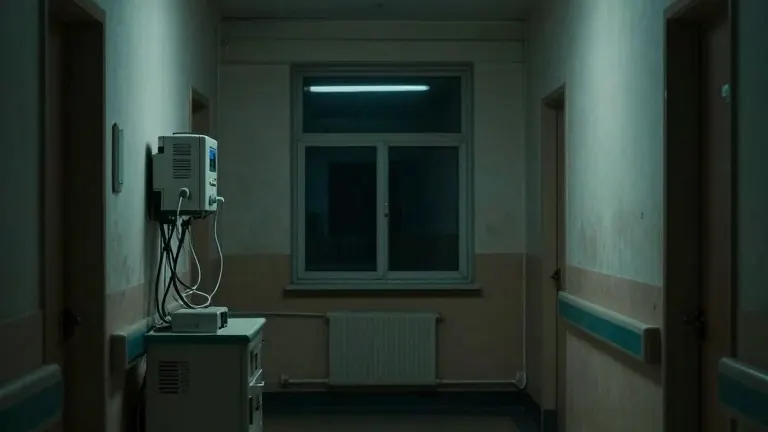
Hospital staff have resorted to improvised solutions when equipment fails. When generators stop working, doctors have completed surgeries using the light from their cellphones. If ventilators cease to function, medical teams pump oxygen for critical patients by hand. Dr. Chong described the few seconds between the power outage and the generator startup as precious, especially for patients under anesthesia.
The strain on medical professionals is pushing many to seek additional income. Dr. Chong runs a food stand where he earns more money than he does running the ICU. Dr. Lorien Rodríguez, a second-year resident in pediatric surgery, supports herself by working as a radio host. She stated that fewer personnel and resources make their work significantly more difficult, forcing them to tell patients they cannot solve their problems.
Washington and Havana continue to blame each other for the crisis. The Trump administration argues that a corrupt regime has mismanaged the country for decades. Cuban Deputy Foreign Minister Carlos Fernández de Cossío countered that the U.S. is using brutal power against the population. He stated that while the government bears responsibility, an external powerful factor is influencing the reality of the population.
In a bid to ease the pressure, Cuba enacted 176 economic reforms this summer, including the removal of monopolies on fuel, banking, and pharmacies. U.S. companies have begun exporting fuel to the island's private sector, but the costs remain prohibitively high for most citizens. A carton of eggs can now cost more than a month's salary, forcing many to turn to street markets and black markets for medicine.
Source: CBS News