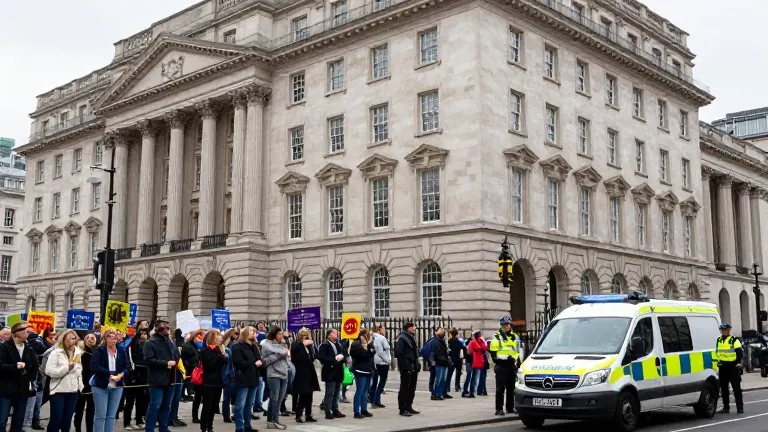
Knesset gridlock: Opposition may seize legislative power
With coalition talks stalled, Israeli opposition parties have enough seats to replace the Speaker and begin passing laws before a new government is formed.
By Daniela Ortega ·
Benjamin Netanyahu may retain the title of Prime Minister, but he could lose control of the legislative agenda. The political deadlock following the recent election has created a scenario where opposition parties can exercise power without holding the executive branch. This mirrors a dynamic currently emerging in the United States, where President Donald Trump may face a legislature controlled by his political rivals after Tuesday's midterms.
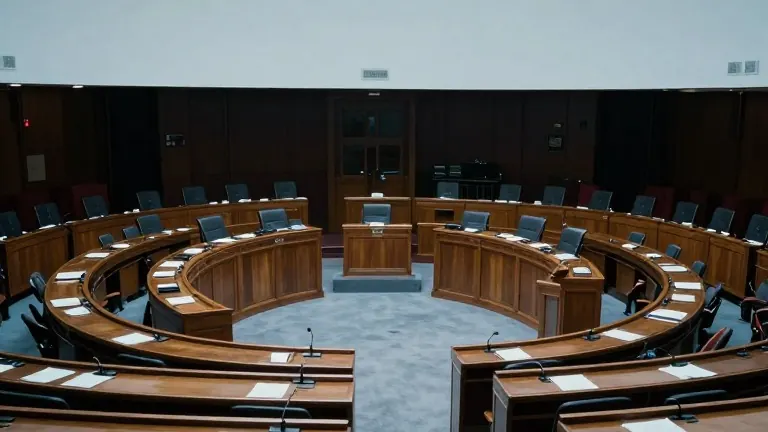
In Israel, the government traditionally commands a clear majority in the Knesset. That alignment is now broken. The opposition bloc holds 48 seats, and Arab parties hold 19. Together, they possess the 67 votes required to elect a new Speaker of the Knesset. If they agree on a candidate, they can displace Likud Speaker Amir Ohana. This move would allow them to set the parliamentary schedule and advance key measures while coalition negotiations continue.
The opposition is targeting three specific legislative goals: establishing a state commission of inquiry into the events of October 7, legislating conscription for haredim, and rolling back judicial-overhaul bills passed by the previous Knesset. These efforts can start immediately. The new Knesset is scheduled to be sworn in on November 10. It does not need to wait for a new cabinet to begin its work, though it must first establish functional committees to draft and debate laws.
President Isaac Herzog will soon decide which party leader receives the first mandate to form a government. That choice determines which party chairs the Arrangements Committee, a temporary body that organizes the Knesset’s structure. If Benny Gantz or another opposition figure receives the mandate, their allies will have a strong procedural position to elect a new Speaker. If Netanyahu receives it, Likud will keep a procedural foothold that allows it to delay or complicate opposition efforts, though it will not hold an automatic majority on the committee.
A major political hurdle remains for the opposition. Naftali Bennett of B'Yachad and Avigdor Liberman of Yisrael Beytenu have stated they will not rely on Arab parties to form a government. They must now decide if they will rely on those same parties to pass major legislation. Bennett and Liberman could argue that voting on individual laws is distinct from forming a coalition. Netanyahu, however, will likely portray any such cooperation as a violation of their campaign promises.
If the standard process to form a government fails, it can take nearly four months. A subsequent election would then occur within roughly three months. Netanyahu would remain Prime Minister until a replacement government takes office. During this interim period, the Knesset retains its legislative powers, though committee activity is typically limited. The opposition faces a short window to test whether they can turn their combined numbers into a working majority before the next electoral cycle begins.
Source: The Jerusalem Post