Paraguayan President Faces Senate Trial After 60% Market Share Bank Fails
Prosecutors opened three criminal probes into Ueno Bank's collapse, while legislators voted to impeach President Santiago Peña rather than accept his resignation.
By Peter Graham ·
Paraguayan President Santiago Peña is under criminal investigation following the seizure of Ueno Bank, the largest digital lender in the country. Prosecutors announced the probes on Thursday as the president prepared to defend himself before the Senate against possible removal from office.
The crisis marked a sharp reversal for Peña, a former International Monetary Fund economist who had enjoyed strong support from the Colorado Party. His political backing had been further solidified when he was welcomed in Washington just weeks earlier as a key ally of the Trump administration.
In a rapid sequence of events on Thursday, Peña offered his resignation via the social media platform X. The lower house voted unanimously to impeach him shortly after. However, both chambers declined to accept his resignation. The Senate decided to proceed with a trial that could result in his removal from office.
Opposition senators argued that allowing Peña to resign would preserve his eligibility to become a senator for life. They contended that this status would grant him legal protections against prosecution by Attorney General Emiliano Rolón Fernández.
Rolón has ordered three criminal investigations into the Ueno Bank crisis. The probes will examine the oversight of the bank, the handling of its failure, and the placement of public funds. The investigations include allegations involving Peña and other current and former government officials. Peña stated he would cooperate with investigators and act with responsibility regardless of the outcome.
Ueno Bank claimed more than 60% of Paraguayan adults as customers before its collapse. The institution grew from an obscure finance company to a household name in less than five years. It reported holding roughly $800 million in public deposits, a quarter of its total, which included funds from the state pension and health systems.
Regulators found that Ueno’s capital fell to less than half the legal minimum after correcting its books. The central bank announced the seizure of the lender on Tuesday. Inspectors had reported in June a pattern of risky lending to insiders that exceeded legal limits and lacked sufficient collateral.
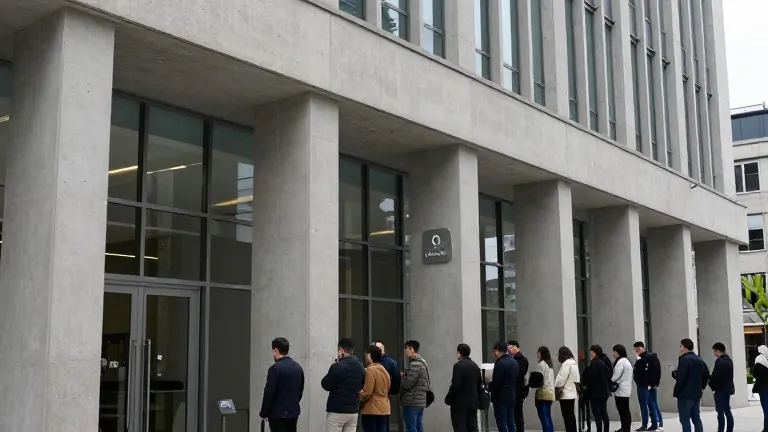
The failure left millions of depositors with frozen savings. On Wednesday, a rush to open new accounts at other banks crashed their mobile applications. A state guarantee fund is required to repay stranded depositors within five business days, starting with small accounts of up to about $1,600. The fund insures up to about $36,000 per customer, covering the full balances of an estimated 97% of clients.
A judge ordered six Ueno executives, including founder Miguel Vázquez and bank President Juan Manuel Gustale, jailed pending trial on Thursday. Prosecutors charged 27 bank officials and associates with breach of trust and attempted fraud. The Labor Ministry estimates the collapse has affected about 7,000 direct and indirect jobs.
Protesters gathered outside the Labor Ministry and Congress in Asunción, demanding severance and unpaid wages. If the Senate removes Peña from office, Vice President Pedro Alliana will replace him as the country’s leader.