Trump Orders End to Biden Methane Rule on Drilling Emissions
The president announced the change at a Texas rally, where he said it would save consumers and producers $45 billion in costs.
By Eric Collins ·
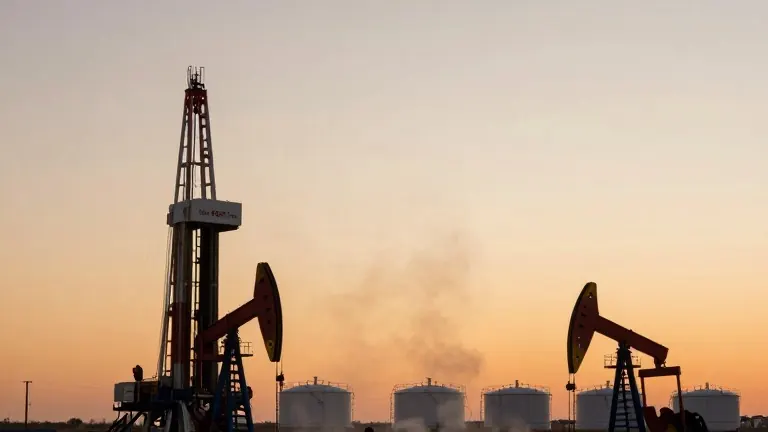
President Donald Trump said Tuesday that his administration is ending a Biden-era rule governing methane emissions from oil and gas drilling, announcing the shift during a campaign rally in Lubbock, Texas, for Republican Senate candidate Ken Paxton. "I'm officially terminating Biden's expensive and unnecessary methane regulations to save consumers and energy producers $45 billion in costs," Trump said.
The change would remove requirements that companies investigate and repair large methane releases from oil and natural gas facilities, and would set less restrictive standards for small oil and gas wells, Environmental Protection Agency Administrator Lee Zeldin said last month. Zeldin has said the rule would have cost $18 billion.
Methane accounts for about a third of planet-warming greenhouse gas emissions, scientists estimate. Oil and gas operations are the largest industrial source of it, and the gas leaks from equipment or is burned off by drillers. Environmental Defense Fund President Fred Krupp said the change gives companies a "free pass" at the expense of consumers. "EPA should be fighting this waste, not making it easier," he said.
The Biden rule was announced in 2023 during a U.N. climate conference in the United Arab Emirates by officials including former Vice President Kamala Harris. Federal officials said it would prevent an estimated 58 million tons of methane emissions by 2038. The rule was published in 2024, and the EPA imposed an 18-month delay last year to give companies time to meet inspection requirements. The rule was tied to a fee approved in the 2022 climate law that would have charged up to $1,500 per metric ton of methane for producers above a set level. Congress repealed the fee weeks after Trump took office.
The rollback follows other changes to Biden-era climate policy, including the revocation of a scientific finding central to U.S. action on greenhouse gas emissions, lower fuel economy standards for vehicles, and a move to repeal emission restrictions for coal and natural gas power plants. Environmental groups said the change will let companies continue releasing gas that could be captured and provide energy to households.
Source: Central Florida Public Media · original report published