Florida voters choose governor as 36 races split 18 to 18
Orlando, Deltona, and Kissimmee residents cast ballots in a competitive open seat race, while the national field splits evenly between parties with 19 vacancies.
By Daniela Ortega ·
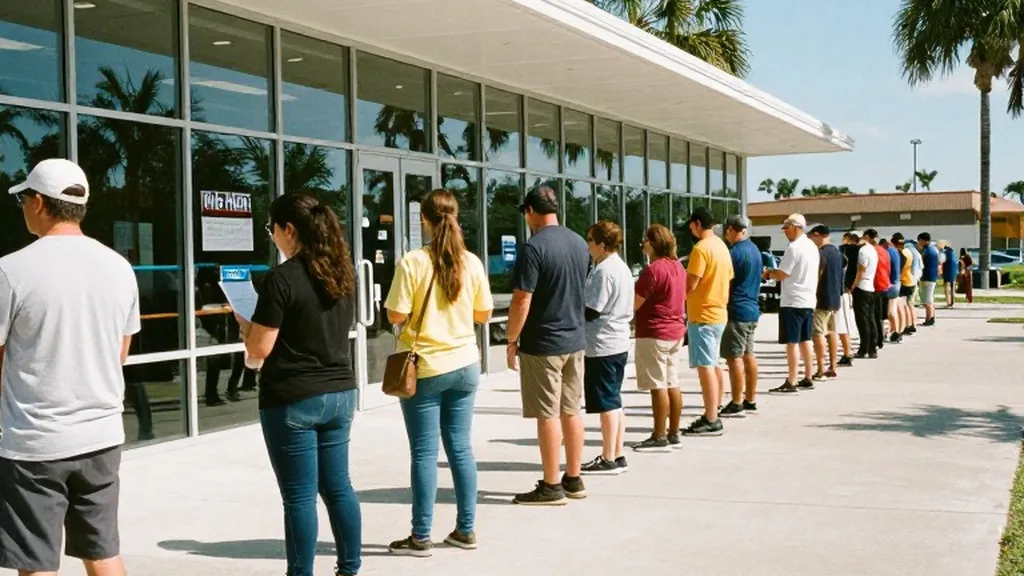
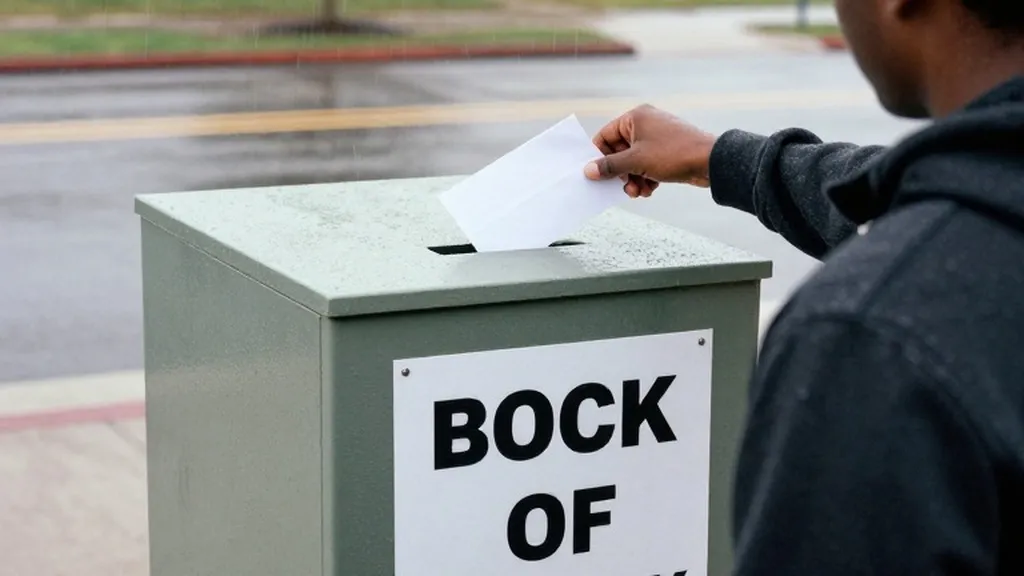
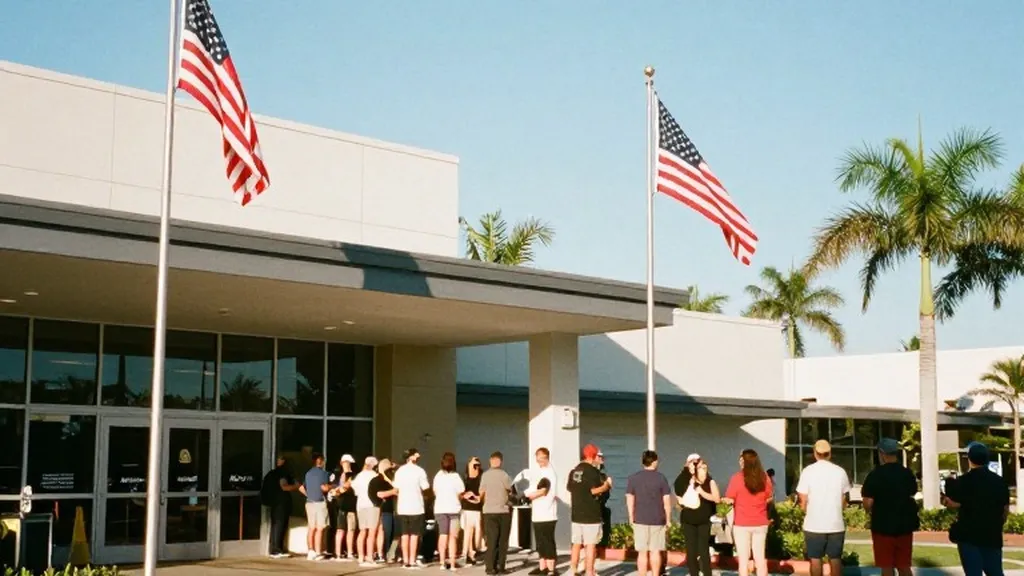
Voters in Central Florida began casting ballots at 7 a.m. today in a pivotal midterm election that determines who controls the U.S. Congress for the final two years of President Donald Trump's second term. In the state, the governor's office is an open seat, meaning no incumbent is on the ballot. This is part of a broader national trend where 19 of the 36 governor races feature no sitting governor. The Associated Press reports that Republicans currently hold 26 governorships and Democrats hold 24, but among the specific states with elections today, each party holds 18 offices. Democrats need a net gain of two governorships to secure a nationwide majority, a position Republicans have maintained since 2010.
In Florida, polls remain open until 7 p.m. local time, with the state divided between the Eastern and Central time zones. Residents in Orlando, Deltona, Kissimmee, St. Cloud, Sanford, and Apopka are voting for a new governor, along with candidates for every U.S. House seat in the state. The ballot also includes state and local offices, as well as three statewide constitutional amendments. Amendment 1 addresses budget stabilization, Amendment 2 concerns agricultural tax exemptions, and Amendment 3 deals with property taxes and homestead exemptions. According to Ballotpedia, the parties on the ballot for governor are the Democrats, Libertarians, No Party Affiliation, and Republicans.
The national picture reveals a sharply divided field. Ballotpedia identifies nine battleground states for the governor's race: Alaska, Arizona, Georgia, Iowa, Kansas, Michigan, Nevada, Ohio, and Wisconsin. Democrats are defending five governorships in states that President Trump won in 2024, including Arizona, Kansas, Michigan, Pennsylvania, and Wisconsin. Republicans are defending two governorships in states that Kamala Harris won, specifically New Hampshire and Vermont. The Associated Press notes that the races in Texas, Florida, and Iowa are considered competitive, with Florida's open seat adding uncertainty to the state's political future.
The 19 open seats in the governor races stem from a mix of term limits and personal decisions. Fifteen governors are term-limited and cannot run again. Iowa Governor Kim Reynolds, Minnesota Governor Tim Walz, and Wisconsin Governor Tony Evers chose not to seek re-election. Rhode Island Governor Daniel McKee lost his primary race and is not on the general ballot. This high number of vacancies means voters in many states are electing new leaders without the benefit of a direct comparison to an incumbent's performance.
Beyond the governorships, the election decides control of the U.S. Senate, where 35 seats are up for grabs. This includes 33 regular elections and two special elections for the remaining terms of Marco Rubio in Florida and JD Vance in Ohio. Republicans currently hold 53 Senate seats, while Democrats hold 45, with two independents caucusing with the Democrats. Democrats need a net gain of four seats to achieve a majority, whereas Republicans can lose only two seats to maintain their control. Eleven senators, four Democrats and seven Republicans, are not running again, contributing to the number of open seats in the chamber.
The U.S. House of Representatives sees all 435 seats up for election today. Republicans hold 218 seats and Democrats hold 214, with one independent and some vacancies. Democrats need a net gain of three districts to take the majority, while Republicans can lose no more than two seats. Ballotpedia counts 46 battleground districts, with 25 held by Democrats and 21 by Republicans. Notably, 21 of the Democratic-held districts voted for Trump in 2024, and nine Republican-held districts voted for Harris, indicating significant cross-over support that could influence outcomes.
The Associated Press describes the election as a referendum on Trump's second term, with voters expressing frustration over high prices and an unpopular war with Iran. AP-NORC polling shows that 35 percent of U.S. adults approve of Trump's job performance, and only 25 percent approve of his handling of the economy. About seven in ten Americans say the country is heading in the wrong direction. More than 57 million people had already voted as of Monday, surpassing the early vote totals from four years ago in many closely watched states.
Financially, the 2026 elections are likely to be the most expensive in history. Republican committees outraised and outspent Democratic committees, aided by Trump-affiliated groups and Elon Musk. However, at the candidate level, Democrats outraised their opponents. An AP analysis of AdImpact data found that 88.1 percent of Republican general election TV ad spending went to states and districts Trump won in 2024, including over $850 million in areas where he won by 10 points or more.
Election administration issues have also made headlines. A federal judge temporarily barred the Trump administration from executing a plan to prevent noncitizen voting, a move critics say risks disenfranchising eligible voters. Another judge ordered the administration to stop demanding that California election officials segregate ballots cast by people on lists of suspected noncitizens. The U.S. Postal Service added hours and staff to ensure mail ballots are counted on time, a critical step given the heavy reliance on mail voting in several states.
For voters in Central Florida, the day is about more than just the governor. The outcome will influence the tone of the final two years of the current administration and set the stage for potential investigations if Democrats gain control of either chamber of Congress. House Democratic Leader Hakeem Jeffries has outlined a 100-day agenda focused on the cost of living and oversight if his party takes the majority. The results will also impact the political landscape for 2028, potentially boosting candidates like Gavin Newsom, JB Pritzker, and Pete Buttigieg, while complicating the path for Vice President JD Vance.