Florida voters choose governor as eyes turn to ten key state races
Polls open at 7 a.m. in Central Florida while voters in Georgia, Ohio, and other states decide who will lead their states in 2027.
By Eric Collins ·
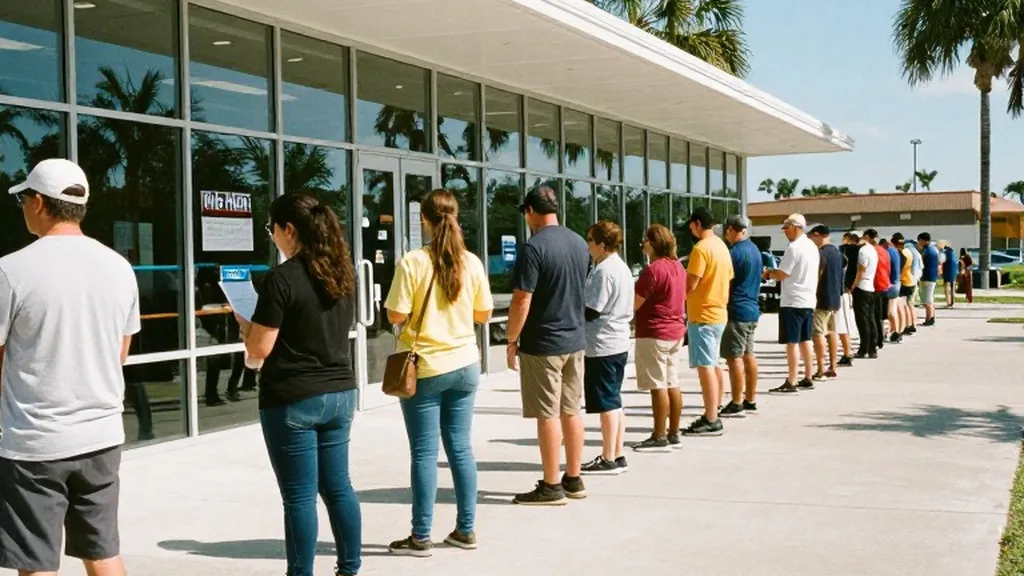
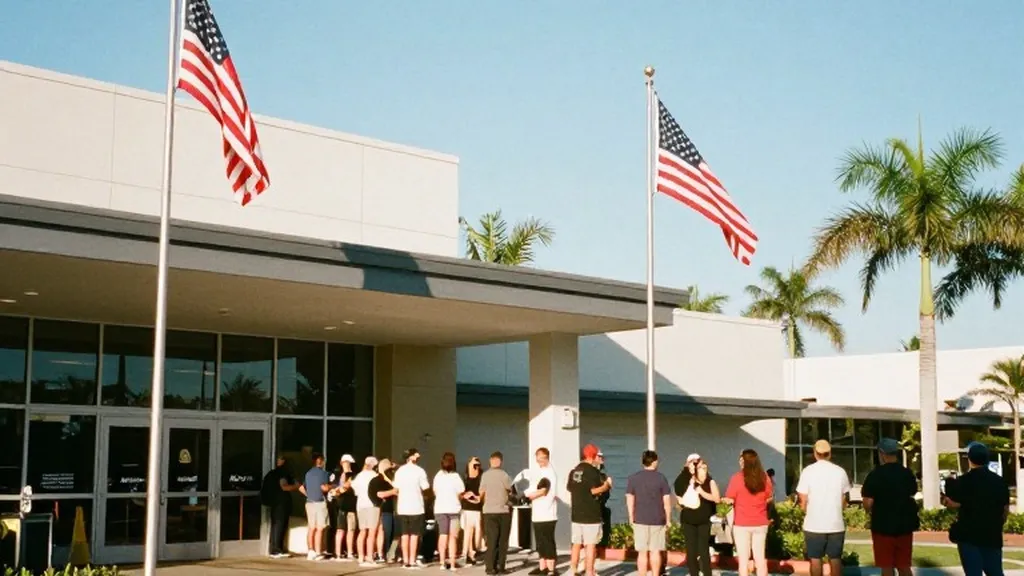
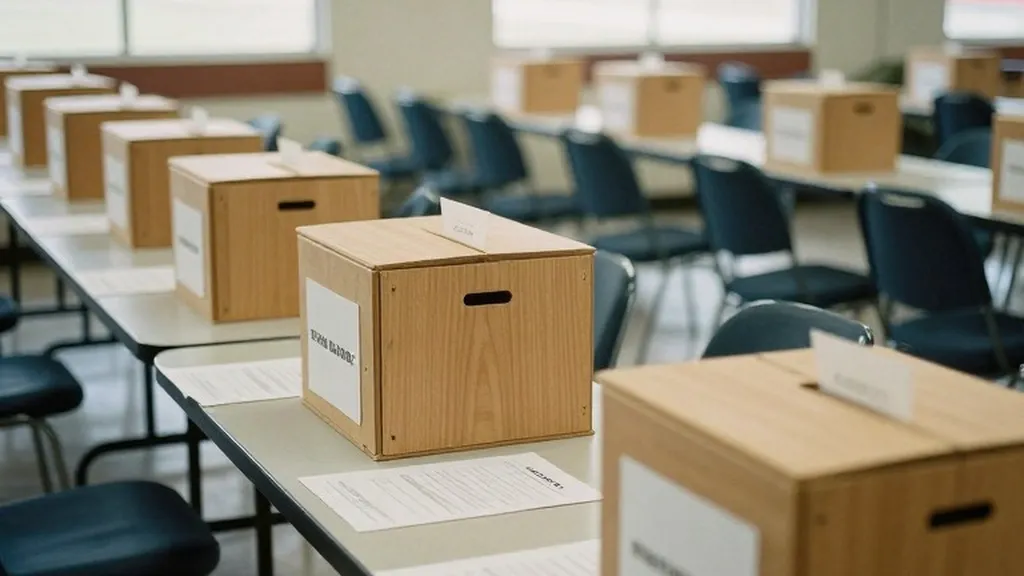
Central Florida voters are heading to the polls on Tuesday, November 3, 2026, to select a new governor and decide a full slate of local and state offices. Polls in Florida open at 7 a.m. and close at 7 p.m., with the state divided between the Eastern and Central time zones. Residents in Orlando, Deltona, Kissimmee, St. Cloud, Sanford, and Apopka can find their specific polling locations at vote.gov or through their local election office. The day marks the midterm election, occurring halfway through President Donald Trump's second term, where the results will determine which party controls Congress for the final two years of his presidency.
In Florida, the governor's office is an open seat with no incumbent running. According to Ballotpedia, the ballot includes candidates from the Democratic, Libertarian, No Party Affiliation, and Republican parties. Jimmy Patronis, the incumbent, is on the ballot for the state's top executive position. Voters in the state are also choosing for every U.S. House seat, state legislative offices, and various local measures. Three statewide ballot measures regarding budget stabilization, agricultural tax exemptions, and property taxes are also on the ballot for Florida residents to decide.
While Florida focuses on its own open governorship, voters in ten other states are also choosing their next leaders. These races are considered critical battlegrounds in the broader national political landscape. In Georgia, Republican health care executive Rick Jackson faces Democratic former Atlanta Mayor Keisha Lance Bottoms. The race is to succeed former Governor Brian Kemp. In Nevada, Republican Governor Joe Lombardo is running against Democratic Attorney General Aaron Ford. These contests represent a mix of incumbent defenses and open seats that will shape the political map for the next two years.
Ohio presents a notable contest with Republican Vivek Ramaswamy running against Democrat Amy Acton. The Associated Press notes that Ramaswamy's campaign has faced some attention regarding an advertisement featuring Acton's estranged mother. In Arizona, Democratic Governor Katie Hobbs is defending her seat. In Pennsylvania, Democratic Governor Josh Shapiro is also seeking to hold his office. These races are significant because Democrats are hoping to hold or gain a majority of governorships nationwide for the first time in two decades. Republicans currently hold 26 governor's offices and Democrats 24 heading into this election.
Wisconsin and Kansas round out the list of named governor races with high national attention. In Wisconsin, the seat is open as former Governor Tony Evers chose not to run. In Kansas, the race is part of a broader fight for Senate control in a state that has become central to the political narrative. New Hampshire and Vermont are also holding governor races where Republicans are defending seats in states that voted for Kamala Harris in 2024. New Hampshire features a contest involving former Republican Senator John E. Sununu, while Vermont sees incumbent Phil Scott on the ballot. These races highlight the shifting dynamics in traditionally solid states.
Michigan and New Hampshire are also on the list of states with competitive governor races according to Ballotpedia. In Michigan, the race is part of a state where the U.S. Senate seat is also open following the retirement of Gary Peters. The Associated Press has described the mood of the election as a referendum on the current administration, with voters reportedly struggling with high prices. More than 57 million people had already cast their ballots by Monday, surpassing early voting totals from four years ago in many closely watched states. This high level of early participation suggests a strong turnout is likely on election day itself.
The national picture involves the selection of 35 U.S. Senate seats and all 435 U.S. House seats. Republicans hold 53 Senate seats and Democrats 45, with Democrats needing a net gain of four seats to take the majority. In the House, Democrats need a net gain of three districts to claim control. The Associated Press reports that Republicans are bracing for potential losses in the House while fighting to keep the Senate. The outcome of these races will determine the balance of power in Congress, potentially leading to investigations or impeachment proceedings if one party gains control of a chamber.
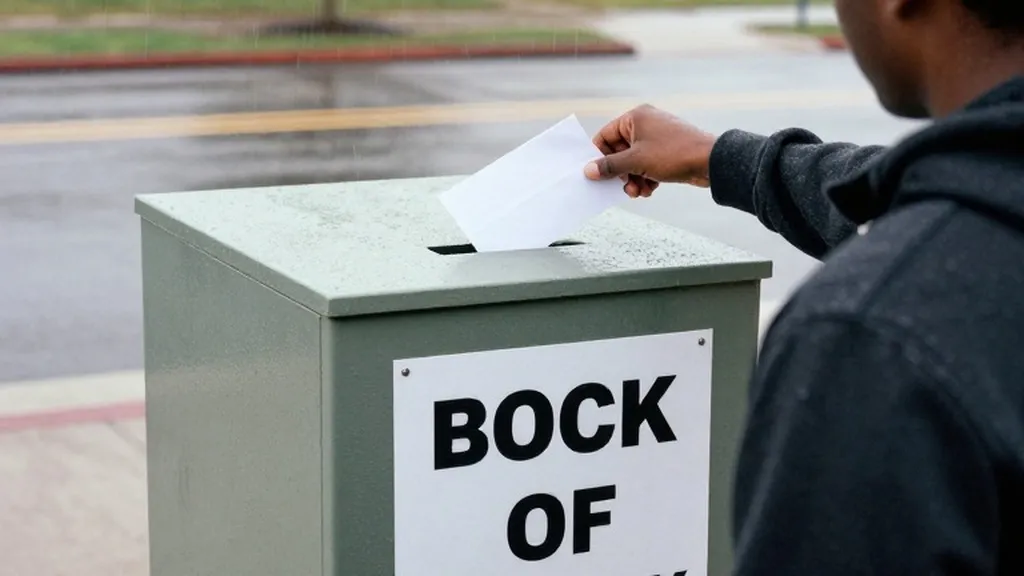
Election administration issues have also made headlines, with a federal judge temporarily barring the Trump administration from implementing a plan to prevent noncitizen voting. This legal move has drawn criticism from those who say it risks disenfranchising eligible voters. The U.S. Postal Service has added extra hours and staff to ensure mail-in ballots are counted on time. In Central Florida, voters should be aware that anyone in line when polls close is entitled to vote. ID rules vary by state, so it is advisable for voters to check their specific requirements before heading to the polls.
The financial aspect of the 2026 elections is expected to make them the most expensive in history. Republican committees have outraised and outspent Democratic committees, aided by groups affiliated with President Trump and Elon Musk. However, at the candidate level, Democrats have outraised their opponents. The Associated Press notes that 88.1% of Republican general election TV ad spending went to states and districts that Trump won in 2024. This spending pattern reflects a strategy to defend existing strongholds while Democrats focus on competitive areas. The results of these governor races will be a key indicator of where the party with the most resources is making the biggest impact.
For voters in the ten governor races and Florida, the decisions made today will shape the executive leadership of those states for the next four years. The races in Georgia, Nevada, Ohio, Arizona, Pennsylvania, Wisconsin, Kansas, Michigan, New Hampshire, and Vermont are closely watched because they can swing the overall balance of power. As polls open in the morning, the focus will be on turnout and the final push to the polls. The outcome of these races, combined with the congressional elections, will set the stage for the final two years of the current presidential term and the next cycle of American politics.