Florida voters choose Senate special seat and new governor on Election Day
Central Florida residents cast ballots in a competitive special election for the U.S. Senate and a race for an open governorship, while polls remain open in the Eastern and Central time zones.
By Peter Graham ·
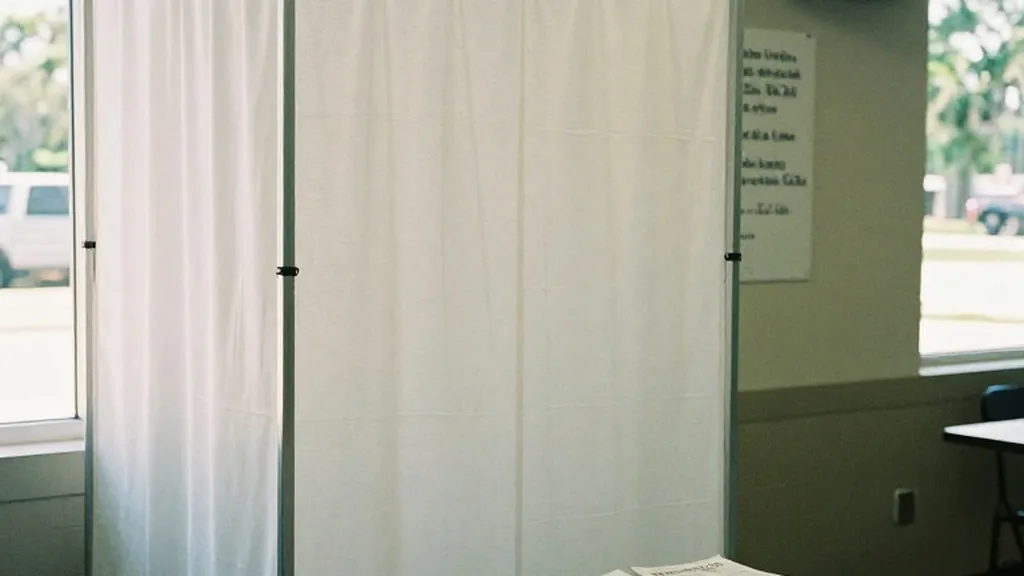
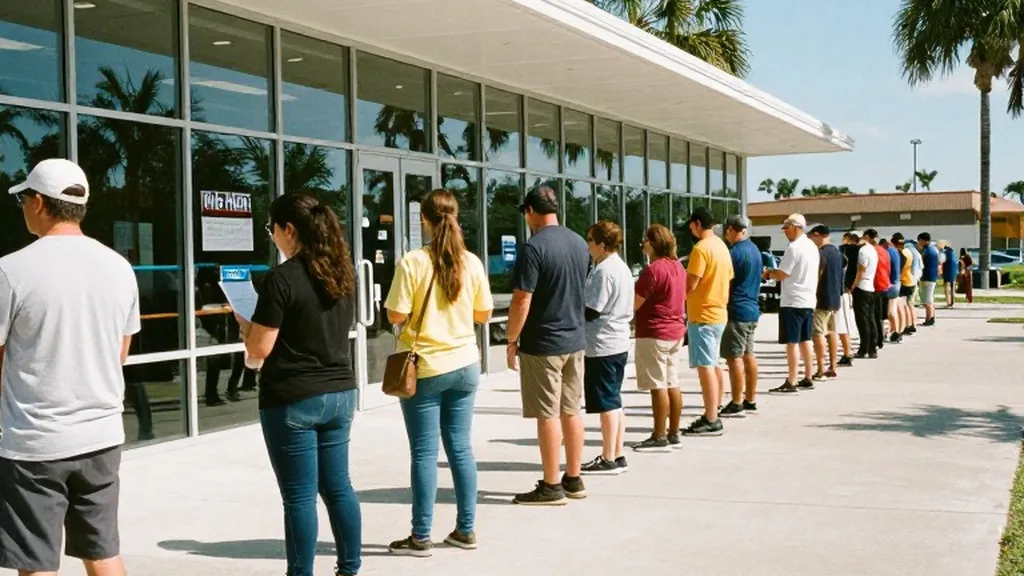
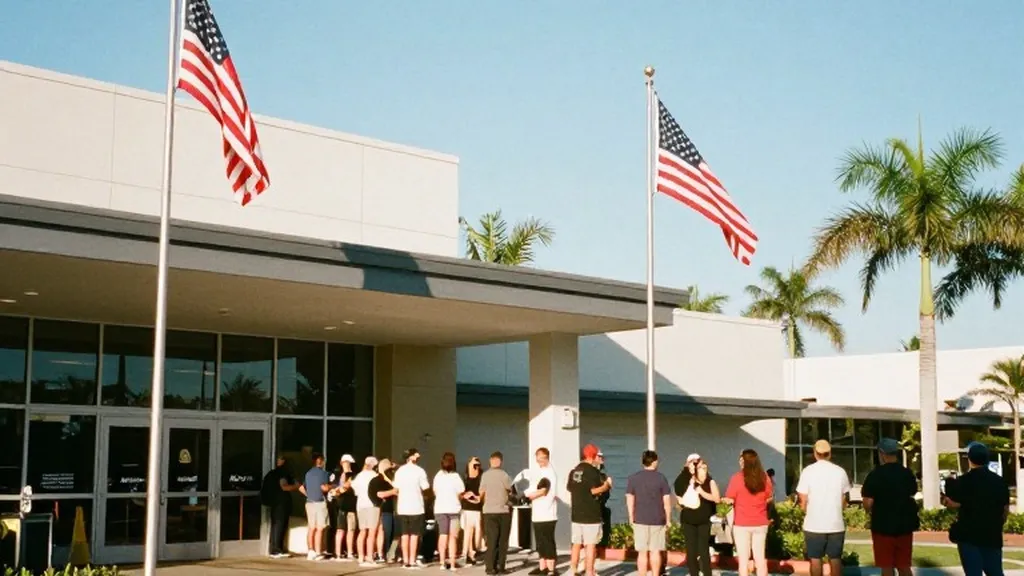
Polls across Central Florida opened at 7 a.m. on Tuesday, November 3, 2026, with voting continuing until 7 p.m. local time. Because the state is divided between the Eastern and Central time zones, voters in the eastern half of the state finish voting an hour earlier than those in the west. Residents of Orlando, Deltona, Kissimmee, St. Cloud, Sanford, and Apopka are casting ballots in a midterm election that will determine the balance of power in the U.S. Congress for the final two years of President Donald Trump's second term.
Florida voters are facing a special election for the U.S. Senate, a race that has drawn national attention due to its competitive nature. According to Ballotpedia, the seat was vacated when Marco Rubio was elected to the Senate in 2022. The Associated Press and PBS NewsHour have highlighted this race as a key battleground, noting that the state voted for Trump by a margin of 13.1 percentage points in the 2024 presidential election. The Republican incumbent in this special election is Ashley B. Moody, who is on the ballot alongside a Democratic opponent and a No Party Affiliation candidate.
Unlike the 2022 cycle, this is not a regular six-year Senate election but a special election to fill the remainder of the term. The Associated Press notes that the Trump administration filed a lawsuit related to the certification of the Senate result in this state, adding a layer of legal complexity to the day's proceedings. The race is one of thirteen Senate contests that Ballotpedia has rated as battlegrounds, with various polling organizations rating it as a toss-up to lean Democratic. Voters in the Orlando area and surrounding towns are thus deciding a seat that could tip the majority in the U.S. Senate, where Democrats currently hold 45 seats and Republicans hold 53, plus two independents who caucus with the Democrats.
Simultaneously, Florida voters are choosing a new governor in an open seat with no incumbent running. The AP describes the governor's race as competitive, with the Republican and Democratic parties both fielding strong candidates. The state has held the governor's office for several election cycles, and this race is part of a broader national trend where 36 governorships are up for grabs. In Florida, the parties on the ballot include the Democratic, Libertarian, No Party Affiliation, and Republican parties. The outcome of this race will influence the state's policy direction on issues such as the economy and local governance.
Beyond the Senate and governor races, every U.S. House seat in Florida is on the ballot. The state is using a new congressional map following mid-decade redistricting, a change that affects how voters in Central Florida are represented in the House. The Associated Press notes that six states, including Florida, are using new maps, which may not align with how the districts voted in previous cycles. Voters in Deltona and Apopka, for example, may find themselves in different House districts than in 2024, influencing their choices for the 435 House seats currently in play.
Nationally, the mood is tense as voters grapple with high prices and an unpopular war with Iran, according to the Associated Press. AP-NORC polling indicates that 35 percent of U.S. adults approve of Trump's job performance, while 25 percent approve of his handling of the economy. About seven in ten Americans say the country is heading in the wrong direction. These sentiments are likely influencing voters in Kissimmee and St. Cloud, where local economic conditions intersect with national concerns about cost of living and healthcare costs.
The Associated Press reports that more than 57 million people had already voted as of Monday, surpassing the early vote of four years ago in many closely watched states. This surge in early voting suggests a high level of engagement among Florida residents, who are well-versed in the importance of midterm elections. The Republican National Committee Chairman Joe Gruters emphasized that everything depends on turnout, stating that if they turn out their voters, they win. Conversely, the Democratic Congressional Campaign Committee Chair Rep. Suzan DelBene said the American people are angry and want change.
In the Senate race, the Associated Press notes that the Trump administration's involvement has raised concerns about election integrity. The administration has continued to make claims about voting fraud, including that noncitizens vote in large numbers, and has sued in Florida and other states. A federal judge temporarily barred the administration from carrying out a plan to prevent noncitizen voting, a move that critics say risks disenfranchising eligible voters. This legal backdrop adds urgency for voters in Sanford and Orlando, who are casting their ballots under the shadow of these national debates.
Local issues also weigh heavily on the ballot. Florida voters are deciding on three statewide ballot measures, including Amendment 1 on budget stabilization, Amendment 2 on agricultural tax exemptions, and Amendment 3 on property taxes and homestead exemptions. These measures, as detailed by Ballotpedia, will have direct impacts on local budgets and property values in towns like Kissimmee and Deltona. The outcome of these votes will shape the financial landscape of Central Florida for the coming years.
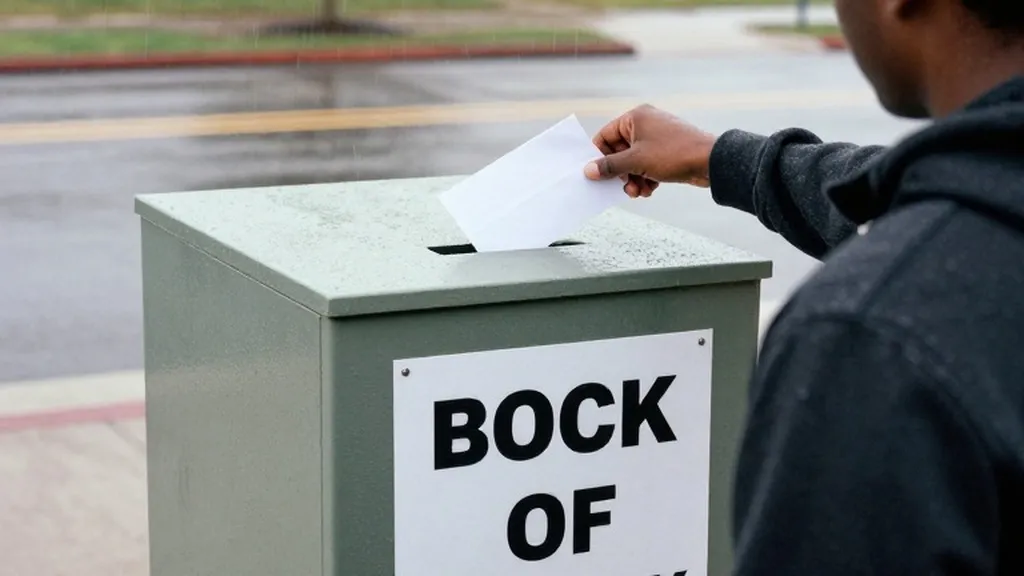
As polls close at 7 p.m. in the Central time zone, election officials across the state are preparing to count the votes. The U.S. Postal Service added hours and staff to ensure mail ballots are counted on time, a critical step in a state where mail voting is a significant part of the process. Voters who were in line when polls closed are entitled to vote, ensuring that those who wait until the last minute can still have their say in the outcome of these pivotal races.