Organizer Paide: Start With One Pile of Paper
Kacy Paide offers a step-by-step method for sorting mail, separating active tasks, and storing vital documents.
By Victoria Hayes ·
Kacy Paide has spent more than 20 years helping people manage paper clutter, and she says the first rule is to stop feeling rushed. She advises clients to work at their own pace because they control how fast they sort through their documents.
Paide suggests starting with the pile of paperwork closest to you, such as items on a desk or dining table. She notes that documents requiring immediate action usually sit near the person who needs to handle them. Items stored in garages or office closets can wait until the immediate piles are managed.
The next step is to split those nearby papers into two distinct piles: active and inactive. Active documents require follow-up, such as paying a bill or making a phone call. Inactive documents do not require immediate action and include receipts, birth certificates, and sentimental items like old greeting cards.
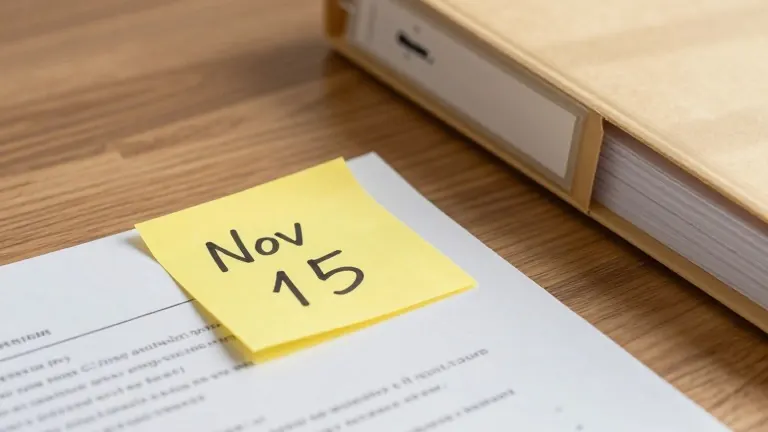
For active items, Paide recommends writing the due date in bold on a sticky note and attaching it to the document. She advises using specific dates, such as November 15 or December 1, rather than vague labels like urgent. This makes it easier to see exactly when a task must be completed.
Inactive papers should be filed away or set aside for a later, deeper review. Paide prefers using simple file folders and labeling them with sticky notes and permanent markers. This allows her to reuse the folders if the sorting system changes later. She also stores these folders in decorative boxes on bookshelves to create a visual filing system.
Vital documents like passports, marriage certificates, and birth certificates deserve special placement. Paide keeps these in brightly colored folders positioned at the front or back of a file box. This acts as a bookend to the filing system, making them easy to spot without digging through other papers.
When deciding whether to keep or discard a document, ask yourself if you will ever need to produce it. If the answer is no, the paper can be removed from the workspace. You do not need to shred every piece of paper with your name on it, but the Federal Trade Commission recommends destroying items containing sensitive information to prevent identity theft.
Sensitive information includes account numbers, birth dates, passwords, pins, signatures, and Social Security numbers. Paide says people often feel they must shred everything to sleep well at night, but the goal is to destroy what truly contains confidential data. Shred to your comfort level, but be consistent with the process.
Sentimental or difficult papers, such as old letters or divorce documents, can be sorted with the help of a family member or friend. Paide encourages people to speak their thoughts aloud as they handle these items. She reports that people often decide whether to keep or toss these specific papers very quickly.
Source: Central Florida Public Media · original report published