Trump blames absence from ballot after GOP losses
The president argued he would have won in a landslide, despite spending October urging voters to treat the midterms as a judgment on his leadership.
By Eric Collins ·

Donald Trump shifted responsibility for the 2026 midterm election results to his own absence from the ballot, a stance that contradicted months of campaign messaging. Following sweeping Democratic victories, the president claimed that his personal presence would have altered the outcome.
The president issued this explanation on November 4, 2026. He stated, “I wasn’t on the Ballot and if I was, we would have won IN A LANDSLIDE!” This remark marked a rapid departure from the narrative he had promoted throughout the fall campaign.
The Washington Post analyzed Trump's public statements and identified 63 instances where he declared himself politically on the ballot or urged voters to imagine his presence. More than 50 of these statements occurred during October and the first days of November. This frequency suggests the appeal was a core element of the Republican campaign strategy in the final weeks.
Specific examples include a rally in San Antonio on October 7, where Trump linked Republican turnout to his political identity. He repeated similar themes in Kansas on October 19. On November 2, he encouraged Republicans in South Carolina to vote as if they were selecting him. These efforts aimed to transform local congressional races into a national referendum on his administration.
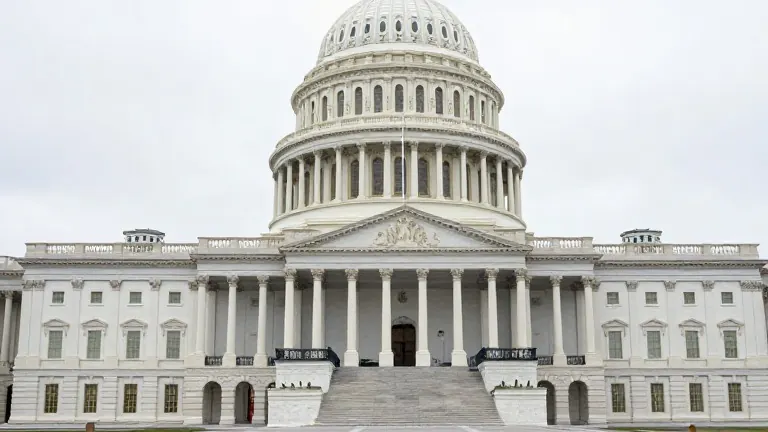
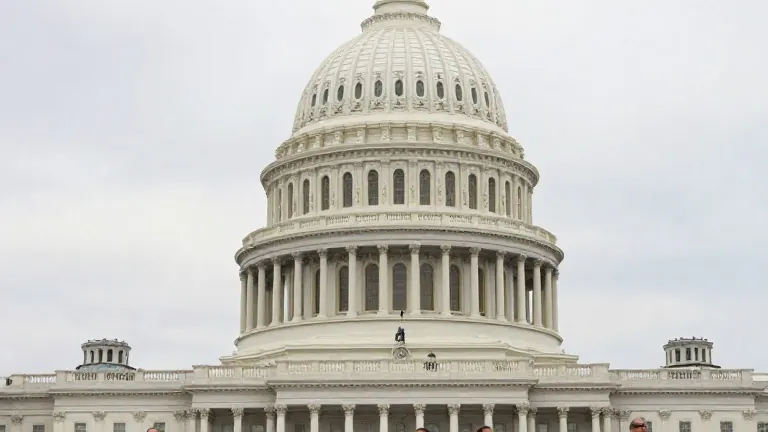
Voters responded to this framing on November 3. Democrats captured control of both chambers of Congress. They flipped Republican-held Senate seats and won dozens of House races. Gains extended into traditionally conservative areas, indicating dissatisfaction that went beyond competitive suburban districts.
Polling data supports the connection between Trump's influence and the election results. CBS News exit polls found that roughly six in 10 House voters considered Trump a factor in their decisions. His approval rating stood near 38%. The AP Voter Poll documented widespread frustration with inflation and economic conditions. Many voters indicated a desire for Congress to exercise greater oversight of the executive branch.
Prior to the vote, Trump's endorsements and appearances helped determine which candidates represented the party. Candidates benefited from his support but also inherited the political risks associated with his administration. When defeats occurred, accountability moved from the party leadership to the individual candidates. This dynamic creates a gap between the power Trump wields over nominations and the responsibility he assumes for the results.