Central Florida drivers face persistent fuel costs despite midterm shift
Experts estimate it could take up to a year for gas and diesel prices to return to prewar levels, even if the Iran conflict ends.
By Peter Graham ·
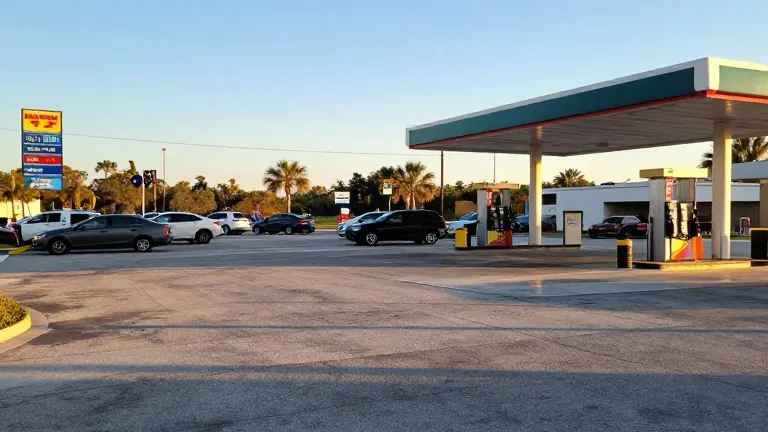
Drivers in Central Florida can expect to keep paying elevated prices for gasoline and diesel in the coming months, even as Democrats prepare to take control of Congress. Energy analysts indicate that the cost of fuel will not drop immediately after the midterm election results are finalized. The war in Iran has disrupted global oil supply, causing prices to rise sharply since the conflict began in late February.
Before the war, roughly one-fifth of the world's oil passed through the Strait of Hormuz. The conflict restricted that waterway, driving the price of a barrel of Brent crude from about $70 in late February to a peak near $110. Prices have since settled close to $95. According to AAA, the average price of a gallon of gas in the United States is now $4.12, which is approximately $1 higher than the rate from a year ago. Diesel reached a record high of $6.52 per gallon in September. Although that figure has decreased slightly, a gallon of diesel still costs about $2.50 more than it did at this time last year.
The new members of Congress will not be sworn in until January. Until then, the federal government has limited direct power to influence oil prices, which are determined by the global market. President Trump previously attempted to lower costs by loosening rules on dyed diesel and by temporarily lifting sanctions to allow more Russian diesel to reach global markets. Neither measure produced a substantial change in pump prices.
Senate Minority Leader Chuck Schumer told reporters on Wednesday that Democrats intend to end the war and reduce the cost of living. He stated that relief is on the way. Claudio Galimberti, chief economist at Rystad Energy, noted that a unified Democratic Congress could make military escalation more expensive by attaching conditions to war spending. However, Jorge León, head of geopolitical analysis at Rystad Energy, pointed out that President Trump retains full authority over military strikes, blockades, and sanctions.
If a deal to end the war is announced, Jaime Brito, executive director of refining and oil markets for Dow Jones Energy, predicts crude oil prices could fall by $15 to $20 per barrel within two or three days. For pump prices to match that drop, ships must return to their original routes through the Strait of Hormuz. This process could cause traffic congestion. Brito estimates it could take three months for gasoline and diesel prices to reach prewar levels in the best-case scenario. León believes it will take six months for crude to stabilize, followed by another month or two for refined fuel.
Both analysts warned that unexpected issues could extend the recovery timeline to one year. The war in Ukraine also affects diesel prices because Russian refineries supply a large portion of the global diesel market. Additionally, freight and insurance costs for shipping oil have risen due to longer routes and increased risk. Brito stated that expensive gasoline prices could become the new normal. He emphasized that a definitive end to the conflict is necessary for prices to return to normal levels.
More Business · Orlando news · Buyer Beware · Report a business · Got a Story?