Hydroxyapatite toothpaste costs over $1 more per ounce than fluoride
Newer mineral-based toothpastes promise similar cavity protection to traditional formulas, but a price gap and limited long-term data keep many dentists recommending the older standard.
By Victoria Hayes ·
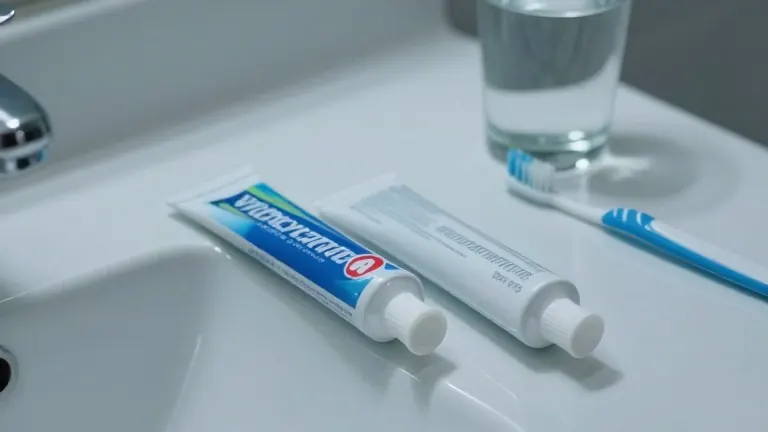
Consumers choosing between traditional fluoride toothpaste and the newer hydroxyapatite alternative face a clear price difference. Hydroxyapatite products often cost more than one dollar per ounce more than their fluoride counterparts. This premium places a direct financial burden on households switching oral care brands.
The shift toward hydroxyapatite is driven by consumer interest and social media promotion. Dr. Jin-Ho Phark, an associate professor of clinical dentistry at the University of Southern California, reports that patients frequently ask about these fluoride-free options. Phark notes that the products are being pushed by influencers with significant intensity. This marketing push has created a visible niche in the oral care market.
Fluoride toothpaste became standard in the late 1950s when Procter & Gamble Co. released Crest nationally. The Centers for Disease Control and Prevention state that adding fluoride to public water reduces cavities by 25%. They previously named this practice one of the top 10 public health achievements of the 20th century. Despite this history, skepticism persists among some consumers.
Health Secretary Robert F. Kennedy Jr. has cited fluoride in water as a cause for various health issues, including arthritis, bone cancer, and neurodevelopmental disorders. Bennett Amaechi, a professor of dentistry at the University of Texas at San Antonio, says this hesitancy is growing. Amaechi notes that many people are refusing fluoride or taking it cautiously, particularly for their children. He points out that studies linking fluoride to lower IQ scores generally involve levels more than double the U.S. recommendation.
Hydroxyapatite is a calcium phosphate mineral that mimics the structure of tooth enamel. Proponents argue it can help with sensitivity and remineralization. Nano-hydroxyapatite products use smaller particles designed to penetrate enamel pores. Dr. Livia Tenuta, an associate professor at the University of Michigan School of Dentistry, explains that fluoride works by bringing minerals back to the tooth surface after brushing. Hydroxyapatite is thought to function differently by settling into crevices in the enamel.
Clinical data on hydroxyapatite remains limited compared to fluoride. A 2021 study in Scientific Reports followed 177 children for nearly a year. It found similar decay outcomes in groups using hydroxyapatite versus fluoride. That study received funding from Dr. Wolff Group, a German company that owns two hydroxyapatite toothpaste brands. A 2023 study in Frontiers in Public Health tracked 171 adults for 18 months with similar results. However, those participants were mostly healthy young adults with low risk of decay.
A 2019 study in the Journal of Investigative and Clinical Dentistry included 133 people at higher risk for cavities. After five months, researchers found both toothpaste types performed similarly. Tenuta says she wants more long-term data, especially for high-risk patients. She notes that current studies often recruit participants with low caries risk, which limits the generalizability of the findings.
The American Dental Association acknowledges the rise in hydroxyapatite use. Dr. Ada Cooper, an ADA Consumer Advisor, stated in an email that evidence regarding the ingredient's clinical effectiveness remains limited and ambiguous. The ADA continues to recommend brushing twice daily for two minutes with fluoride toothpaste. Dentists advise this routine to maintain the mineral shield on enamel. For patients open to either option, Amaechi advises using fluoride due to the stronger body of evidence supporting its efficacy.
The market for hydroxyapatite toothpaste continues to expand as brands capitalize on consumer demand for fluoride-free alternatives. The cost difference per ounce remains a key factor for buyers. While early studies show promise for cavity prevention, the financial and evidentiary gaps keep the traditional fluoride product as the preferred recommendation among many dental professionals.
Source: Central Florida Public Media
More Business · Buyer Beware · Report a business · Got a Story?