UMKC researcher tests synthetic fluid to replace blood in trauma care
A new treatment called 'better than blood' aims to reduce reliance on donor supplies for patients suffering from hemorrhagic shock.
By Peter Graham ·
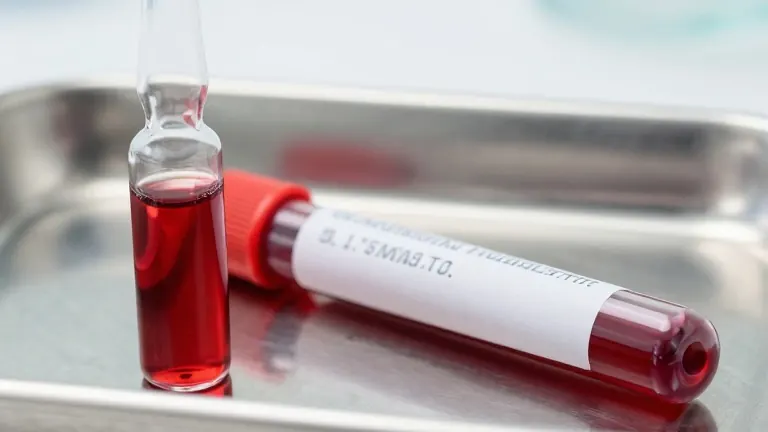
A research scientist at the University of Missouri-Kansas City is evaluating a synthetic alternative to human blood for patients experiencing severe trauma. The researcher, who describes the compound as "better than blood," is testing how the mixture performs in cases of hemorrhagic shock, a condition where the body loses blood too quickly for the heart to maintain adequate circulation.
The development targets a persistent gap in emergency medicine. Currently, the standard of care for massive blood loss from incidents such as car crashes or gunshot wounds remains the transfusion of donated blood. Medical professionals note that while this method is effective, it relies on a steady supply of donors and cold chain logistics that can strain hospital resources during regional or national shortfalls.
The UMKC team is investigating whether specific ingredients can mimic the oxygen-carrying capacity of red blood cells without the need for complex donor matching. The researcher stated that the goal is to provide a shelf-stable option that hospitals can deploy immediately in trauma bays. This approach could lower the operational costs associated with blood storage and reduce the administrative burden of tracking donor compatibility.
If clinical trials confirm the efficacy of the new fluid, it may reshape the procurement strategies for major hospital systems. Providers currently spend significant capital on blood banks, which require constant replenishment. A viable synthetic alternative could allow institutions to allocate that capital toward other critical care technologies while ensuring a consistent supply of life-saving fluids.
The study is part of a wider effort to diversify trauma care options. While human blood remains the gold standard for most patients, the new treatment offers a potential backup for mass casualty events or remote locations where transport time exceeds the viability of stored blood. The researcher emphasized that the fluid is designed to stabilize patients long enough for surgical intervention to begin.
The team is currently collecting data from initial trials to determine the optimal dosage and duration of administration. They are measuring key physiological markers to ensure the synthetic fluid does not trigger adverse immune responses. The findings will be presented to a panel of trauma surgeons to assess its readiness for wider adoption in emergency departments.
The project underscores the financial pressure on healthcare providers to find reliable, cost-effective solutions for acute care. By reducing dependence on a finite biological resource, the new treatment could help stabilize budgets for hospitals serving high-traffic trauma centers. The researcher plans to publish the initial results in a peer-reviewed medical journal later this year.
Source: WOIO
More Business · Buyer Beware · Report a business · Got a Story?