Santa Fe firm tests space router on satellite link
Solstar Space Co. completed a data transfer between two spacecraft, a step toward becoming a primary provider of internet for lunar missions.
By Victoria Hayes ·
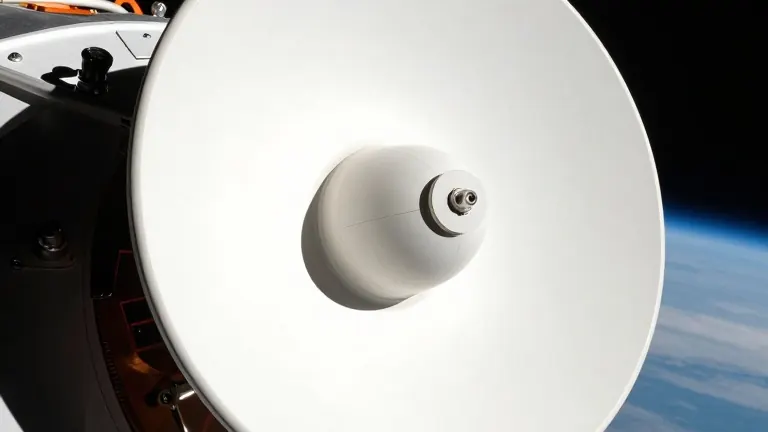
A Santa Fe company completed a test of its space-based Wi-Fi system between two spacecraft last month.
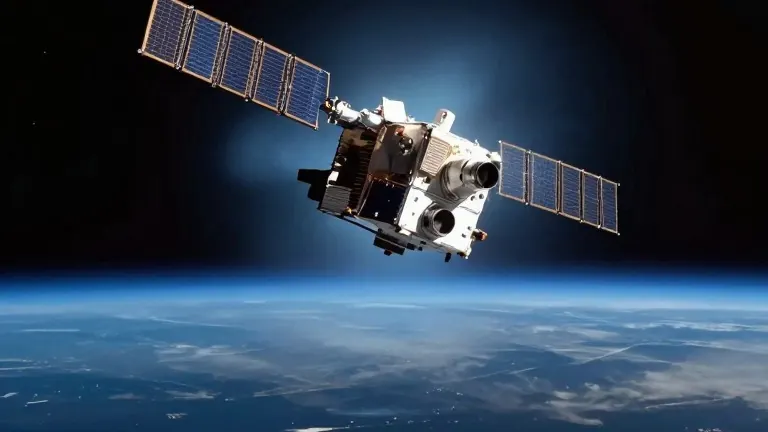
Solstar Space Co. announced that its Deke Space Communicator successfully transmitted data during a proximity operation. The device collected more than 2,300 files, including images, telemetry, and health-status data. The transfer occurred over a 30-minute window between NASA’s R5-S10 Cubestat and Momentus Inc.’s Vigoride-7.
The router is attached to a satellite moving at 17,000 miles per hour. It relays data to Earth using a link provided by Iridium Communications Inc. The data was received at NASA’s Johnson Space Center in Houston.
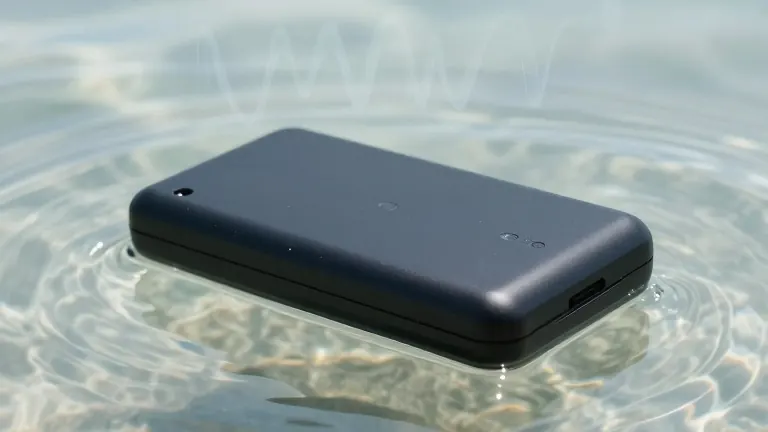
Solstar manufactures internet routers designed for the vacuum of space. The units resemble consumer routers but use materials hardened to withstand extreme temperatures and radiation. They also function as networking devices and computers. The company tests this equipment in a laboratory in Albuquerque to ensure it meets space conditions.
Brian Barnett, the founder and CEO of Solstar, stated that the company is positioning itself to lead a market he projects will be worth nearly $4 billion. Barnett previously worked for NASA. He noted that standard household routers cannot function in space without modification.
"We can’t just take the router that we have in our houses and put that on the moon or in a spacecraft," Barnett said.
Solstar began operations in 2017. That year marked the start of NASA’s retirement of its high-bandwidth communications systems on tracking and data relay satellites. This change opened a private market for space internet providers. Solstar secured a $15 million agreement with Momentus Inc. in 2025 to demonstrate its technology.
In March of this year, a Momentus-operated spacecraft launched on a SpaceX Falcon 9 rocket from Vandenberg Space Force Base in Santa Barbara, California. The Deke system entered orbit on April 15. Since then, the company has focused on protecting its market position.
Barnett said the company generates revenue by selling hardware and software to government and private missions. It also collects network fees. These fees provide a steady income stream that can support the company during economic downturns. In July, Encore Technologies Corp. invested $1 million in Solstar through a convertible loan.
"On the satellite communications side, we have a handful of competitors out there, and more and more are coming into the market," Barnett said. "But we’re definitely one of the leaders, and obviously we plan to stay that way."
The company is currently working on providing Wi-Fi for the moon. Solstar holds Small Business Innovation Research contracts to develop space-based relays and lunar Wi-Fi for the U.S. Space Force. It also has a contract to build a lunar Wi-Fi access point for NASA.
Barnett said SpaceX and Blue Origin will begin building landing systems for a moon base in the next one or two years. He believes there is a market for Wi-Fi products to support these efforts. This includes lunar rovers and spacesuits, which require wireless communication to avoid the use of physical wires.
Source: Albuquerque Journal