Wyoming remains an outlier as Medicaid doula reimbursements spread across the Mountain West
Twenty-eight states now pay doulas through Medicaid, but Wyoming has not adopted the policy despite rising demand for birth support.
By Peter Graham ·
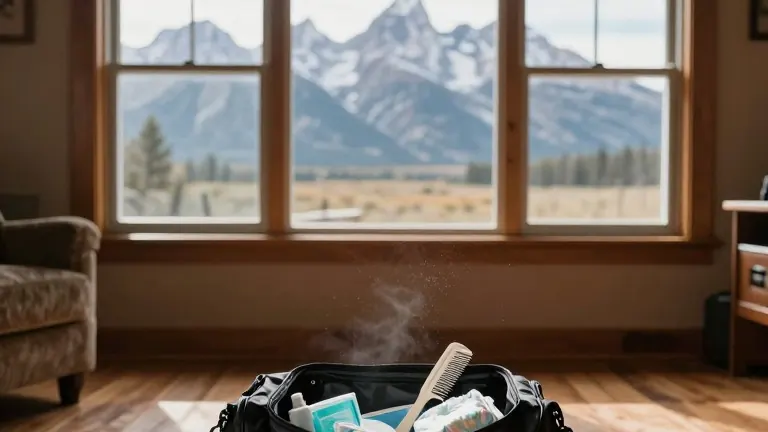
In Jackson Hole, Sarah Heatherton held her eight-week-old son, Jonathan, near a window overlooking the Teton Range. In mid-October, she described the shock of her water breaking in a car en route to the hospital. Her doula, Liz Alva Rosa, helped her maintain composure during labor. Heatherton paid Alva Rosa $1,800 out of pocket for the support. While Heatherton could afford the expense, many low-income parents in Wyoming cannot.
Alva Rosa, who has worked as a doula for 23 years, does not make medical decisions or deliver babies. Instead, she focuses on calming the mother to help labor progress. She noted that while traditional support often came from family, modern births frequently lack that immediate network. She also checks on parental mental health after delivery and offers sliding scale fees, though most clients pay privately.
Nationally, more than half of states now reimburse doulas through Medicaid. This program covers approximately 40 percent of births in the United States, serving primarily low-income families. Amy Chen, a senior staff attorney at the National Health Law Program, said the number of participating states grew from two to 28 in roughly five to six years. Her organization, the Medicaid Doula Project, advocates for these reimbursements.
Chen pointed to a map from the National Health Law Program showing that Arizona, Colorado, Nevada, and New Mexico have already implemented the benefit. Montana and Utah are currently in the implementation process. In Colorado, doulas have received up to $1,500 per Medicaid birth since 2024. Ali Batwin, a postpartum doula in Colorado, reported that her hours and client numbers have increased significantly since the benefit launched. She noted that private insurers often follow Medicaid coverage, though certification requirements and low reimbursement rates can still complicate payment for doulas.
Wyoming has not yet joined this trend. Jenn Lowe, who leads the advocacy group Healthy Wyoming, believes the state should prioritize expanding access to medical care over adding doula coverage. She cited a Wyoming Health Department report stating that almost half of Wyoming’s counties lacked a practicing OB-GYN as of 2024. Lowe suggested the state might be better off funding transportation or lodging for women who must travel for care. She described doula support as a nice-to-have rather than a necessity in the current moment.
Despite this view, advocates argue that doula reimbursement is a critical piece of a larger puzzle. Britt Boril, executive director of WyoUnited, said the state must also recruit more physicians. She noted that while doula care does not solve the entire crisis, it addresses specific gaps in the system. Faithe Dell, a doula in Cheyenne, agreed. She explained that doulas can bridge communication gaps for patients who only have monthly virtual appointments with their doctors. Dell’s kit includes items like diapers, chapstick, and a wide-tooth comb, which she says helps mothers focus during contractions.
The political landscape in Wyoming adds complexity to the push for coverage. The state was one of the few to reject Medicaid expansion under the Affordable Care Act. Lawmakers must build consensus to pass such measures. Dell currently offers discounts to low-income and military families and sometimes works for free. She said that replenishing her kit costs her money, even if she feels called to help families. If Medicaid were to reimburse doulas, she said, her services could reach more hands.
A more immediate legislative challenge looms for the state. Wyoming currently provides Medicaid coverage for new mothers for one year after birth. That provision is set to sunset on March 31, 2027. Without action, coverage could drop to just 60 days postpartum. Advocates argue that this shorter window is insufficient because complications can arise later in the postpartum period. Lowe hopes the legislature will address this basic issue in the new year before moving on to other expansions.
Source: Wyoming Public Media