Voters in Orlando, Kissimmee weigh open governor race amid national midterms
Floridians face an open gubernatorial contest and new congressional maps as they cast ballots in the 2026 midterm elections.
By Victoria Hayes ·
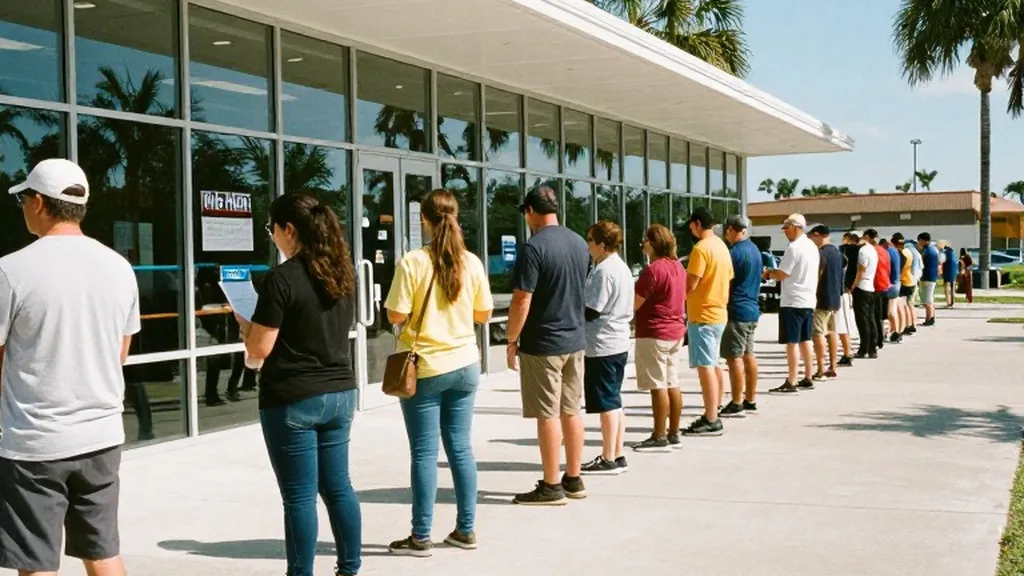
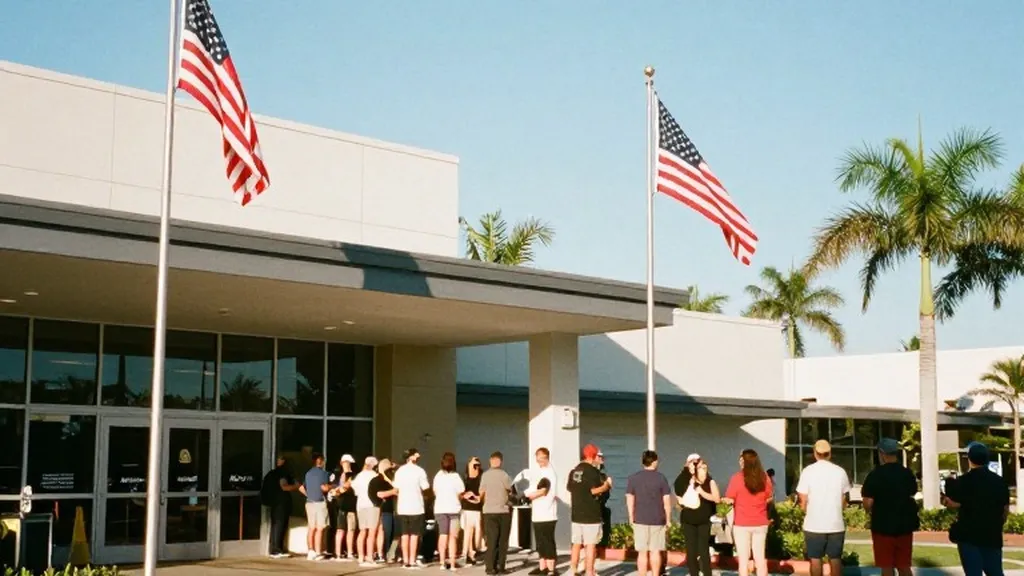
Polling places across Central Florida opened at 7 a.m. Tuesday, November 3, as voters in Orlando, Deltona, Kissimmee, St. Cloud, Sanford, and Apopka began casting ballots in the 2026 midterm elections. Polls in Florida will remain open until 7 p.m., with the state divided between Eastern and Central time zones. Residents in the western part of the region, including Deltona and parts of Orlando, are in the Central time zone, while those in eastern areas like Sanford and St. Cloud are in the Eastern zone, though the closing time remains 7 p.m. Local time for all voters.
The most prominent race for state-level voters is the contest for governor. This is an open seat because there is no incumbent running for the office. The race is considered competitive, with the outcome potentially shifting the balance of power in statehouses across the country. The candidates on the ballot represent the Democratic, Libertarian, No Party Affiliation, and Republican parties. Voters are deciding who will lead the state for the next term, a position that holds significant influence over local policies and state budgets.
Florida voters are also choosing new representatives for every U.S. House seat in the state. This is particularly significant because Florida is one of six states using new congressional maps after mid-decade redistricting. The Associated Press notes that these new districts may not vote as they were originally drawn, adding a layer of uncertainty to the federal races. In the context of the national House race, all 435 seats are up for grabs, with Republicans currently holding 218 seats and Democrats holding 214. Democrats need a net gain of three districts to secure a majority in the House, a goal that depends heavily on performance in newly redrawn districts like those in Central Florida.
Although there is no regular U.S. Senate election in Florida this year, voters are participating in a special election for the remainder of the term that Marco Rubio was elected to in 2022. Ballotpedia lists Ashley B. Moody, a Republican, as an incumbent candidate on the ballot for this special election. The Associated Press identifies this race as one of 13 Senate battlegrounds, noting that the state voted for Donald Trump by a margin of 13.1 points in the 2024 presidential election. The result of this special election will impact the overall composition of the Senate, where Republicans currently hold 53 seats and Democrats hold 45, plus two independents who caucus with Democrats.
Statewide ballot measures are also on the ballot, offering voters a direct say on fiscal and property tax issues. Amendment 1 proposes increasing the amount of funds that may be retained in the budget stabilization fund from 10% to 25% of net general revenue. Amendment 2 seeks to exempt agricultural-related tangible personal property, such as farm equipment or tools, from property taxes. Amendment 3 aims to increase the homestead tax exemption, decrease the cap on how much the assessed value of non-homestead properties can increase, and limit how municipalities can spend property tax revenue. These measures allow residents in towns like Kissimmee and Apopka to influence local financial structures directly.
The 2026 election is a referendum on President Donald Trump's second term, with voters grappling with high prices and an unpopular war with Iran. 35% of U.S. Adults approve of Trump's job performance, while about 7 in 10 say the country is heading in the wrong direction. More than 57 million people had already voted as of Monday, surpassing the early vote of four years ago in many closely watched states. This high level of pre-election voting suggests that many Central Florida residents have already made their choices, potentially reducing the pressure on Election Day turnout in local polling places.
Republicans are bracing for the possibility of losing the House while fighting to hold the Senate, with the Associated Press noting that one or two seats could tip the balance in either chamber. Democrats are described as cautiously optimistic about their prospects. The Associated Press notes that Trump held dozens of rallies in the lead-up to the election, ending Sunday in Salina, Kansas, where he urged voters to pretend he was on the ballot. His schedule included stops in Mississippi, South Carolina, and Texas, with many Republican candidates maintaining a certain distance from the president during the final days of the campaign.
The administration has continued to make claims about voting fraud, including that noncitizens vote in large numbers, and has filed lawsuits in states like Alaska and California. A federal judge on Monday temporarily barred the administration from carrying out a plan to prevent noncitizen voting, a move that critics say risks disenfranchising eligible voters. The U.S. Postal Service has added hours, staff, and special lines to ensure that mail ballots are counted on time, a detail that is particularly relevant for voters who may have opted for mail-in voting in the weeks leading up to Tuesday.
Wall Street is also watching the election results closely, with Reuters reporting that outcomes could add to investor concerns about AI spending and debt ceiling negotiations. If Democrats win even one chamber, investigations and possible impeachment proceedings become likely. House Democratic Leader Hakeem Jeffries has outlined a 100-day agenda focused on the cost of living and oversight, which could impact economic policies affecting Central Florida's growing tourism and technology sectors. The election results will determine the political landscape for the remainder of Trump's term and set the stage for future political battles.